
Venison Backstrap, from the Deer to the Pan
How to take the backstrap off a deer, clean off the fat and silverskin, and sear it in cast iron to a juicy medium rare.
By Chef Umais Ahmed,
- Total time 1 hr 10 min
- Serves 4
- Medium difficulty
- Stovetop, cast iron
Knives used for this recipe
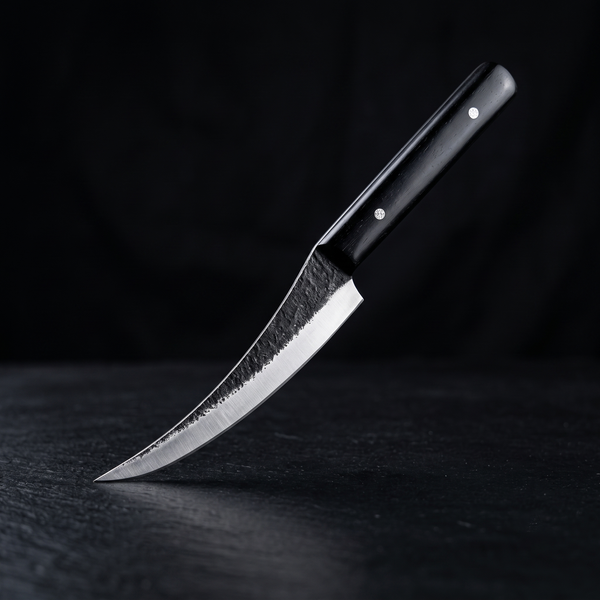
In this recipe Follows the spine and ribs to lift the backstrap off in one piece, then takes off the silverskin.
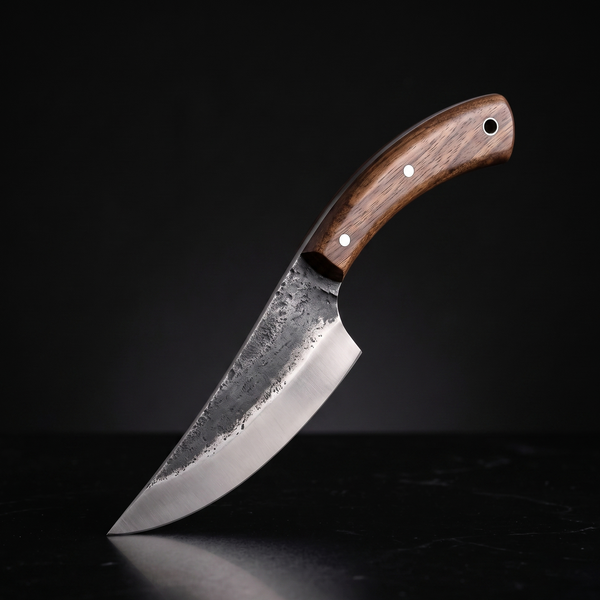
In this recipe Trims away fat and bloodshot meat and slices the cooked backstrap across the grain.
Free shipping in the USA and Australia
On this page
The backstrap is the best piece of meat on a deer and the easiest one to ruin. Hack it off the spine with a dull knife or cook it past medium and you have wasted the best eating of the season. Here is how I take it off, clean it up and cook it in a cast iron pan.
The knife for this job
Getting the backstrap off the carcass is boning knife work. I use the Mako 7.5" Hand Forged Boning Knife because the trailing point follows the spine and the ribs closely, so the meat comes away in one long piece and very little is left on the bone. The same blade takes off the silverskin afterward.
For trimming fat and bloodshot meat, and for slicing the cooked strap, I pick up the Hellfang 5" Hand Forged Butcher Knife. It is short, so you get close control on small, fiddly work. A pocket knife will get the backstrap off, eventually. So will a spoon if you have all week.
Before you start
Cool the deer down as fast as you can after it is dressed. Warm meat spoils, and warm meat is also soft and hard to cut cleanly. Hang it or lay it out somewhere cool with good airflow.
Work clean. Wear gloves and wipe hair off the meat as you go rather than trying to pick it off later. If you hunt in an area where chronic wasting disease testing is required or advised, check your state wildlife agency's rules before you eat the meat. In Australia the same method works on fallow, red or sambar deer.
Where the backstrap sits
A deer has two backstraps, one on each side of the spine. They run along the outside of the back from the hip, where the hindquarter starts, up to the shoulder. Each one sits in the corner formed by the top of the spine and the flat bones that stick out sideways from it over the ribs. In beef the same muscle is the loin that gives you strip and rib steaks.
Do not mix them up with the tenderloins, which are the two small strips inside the body cavity under the spine. Those come out separately, and it is worth taking them out early, since they dry out quickly once exposed.
Deer processing: removing the backstrap
This works with the deer hanging or lying on its belly on a table. Hanging is easier on your back.
1. Cut along the spine
Find the ridge of the spine with your fingers. Set the tip of the Mako right beside it at the hip end and cut along the full length of the back to the base of the neck, keeping the flat of the blade pressed against the bone of the spine. Go down about 2 inches (5 cm), or until you feel the blade ride on bone. Staying tight to the bone here is where most of the yield is saved.
2. Cut across at each end
Make a cross cut at the hip end, where the backstrap meets the hindquarter, and another at the shoulder end, in front of the shoulder blade. Now the strap is free at the top and both ends.
3. Peel it off the ribs
Grip the top edge of the backstrap at one end and pull it gently away from the spine. With the tip of the Mako, follow the bone down and then outward along the flat side bones, using short strokes with the edge turned toward the bone and not the meat. Keep pulling as you go and the strap rolls off in one long piece. Repeat on the other side.
Cleaning the backstrap
Lay the strap on a clean board. Use the Hellfang to trim off any fat. Deer fat does not taste like beef fat. It is waxy and leaves a coating in your mouth, so it all goes. Cut away any bloodshot or discolored meat and pick off stray hair.
Then take off the silverskin with the Mako. Slide the tip under one end to free a tab about 1 inch (2.5 cm) wide. Hold the tab tight, angle the blade slightly up toward the silverskin and work along in short strokes. Narrow strips are easier than wide ones and take less meat with them. Leave the silverskin on and it shrinks in the pan, curls the strap and chews like a bootlace.
Cut the cleaned backstrap into portions of 6 to 8 inches (15 to 20 cm). Cook what you need and wrap the rest well or vacuum seal it for the freezer.
How to cook venison backstrap
Take the meat out of the fridge about 30 minutes before cooking and pat it very dry. Season it well with kosher salt and black pepper.
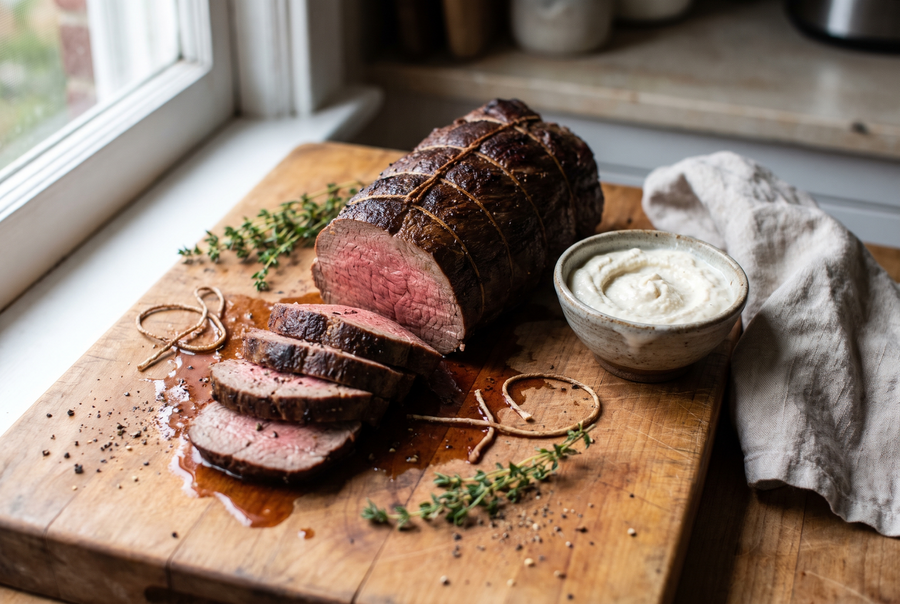
Heat a 12 inch (30 cm) cast iron skillet over high heat until it just starts to smoke. Add a tablespoon of oil with a high smoke point and lay the backstrap in. Leave it alone for 2 to 3 minutes until a dark crust forms, then turn it. Keep turning every couple of minutes so every side browns. A strap about 2 inches (5 cm) thick takes 8 to 10 minutes in total.
In the last 2 minutes turn the heat to medium, add a couple of tablespoons of butter, a few crushed garlic cloves and some thyme or rosemary. Tilt the pan and spoon the foaming butter over the meat again and again.
Use a thermometer. I pull venison backstrap at 125°F (52°C) and it rises to about 130 to 135°F (54 to 57°C) while it rests, which is medium rare. The USDA safe minimum for venison steaks and roasts is 145°F (63°C) with a 3 minute rest. Venison has almost no fat, so the further past medium it goes, the drier and more livery it gets. Overcooked backstrap is the main reason people think they do not like venison.
Rest and slice
Rest the backstrap on a board for 5 to 10 minutes. While it rests, pour off most of the fat, add a splash of red wine or stock to the hot pan and scrape up the brown bits for a quick sauce.
Slice across the grain with the Hellfang into rounds about 1/2 inch (1.3 cm) thick. Venison is lean and tight grained, so a sharp edge and a clean single stroke matter. A dull blade tears the slices and drags the juice out onto the board.
More on the knives
If you are choosing a knife for the whole deer, read the best boning knife for deer. After processing, wash and dry your blades straight away, since blood and moisture are hard on any edge. The guide to high carbon steel knife care covers it. For breaking down the rest of the animal, the Butcher's Trio has the cleavers, and the boning and fillet knives collection has the rest.
Xcutlery Cooking Hub, www.xcutlery.com
Recipe card
Venison Backstrap, from the Deer to the Pan
- Prep
- 45 min (removing and cleaning)
- Cook
- 15 min
- Total
- 1 hr 10 min
- Serves
- 4
- Cook on
- Stovetop, cast iron
- Difficulty
- Medium
Ingredients
Amounts make About 2 lb (900 g) of cleaned backstrap, 4 servings. Tap an ingredient to tick it off.
Venison
To baste and finish
Knives
Method
Tap a step when it is done.


Done temperatures
| What | Temperature |
|---|---|
| Pull from pan, medium rare | 125°F (52°C) |
| After resting, medium rare | 130 to 135°F (54 to 57°C) |
| USDA safe minimum, venison steaks and roasts, with 3 minute rest | 145°F (63°C) |
Nutrition per serving
Estimate for 1 serving (of 4), worked out from USDA FoodData Central values for the ingredients above. Your numbers will move with the cut, the trim and how heavy your hand is with the salt.
- Calories
- 317
- Protein
- 54 g
- Fat
- 9 g
- Saturated fat
- 5 g
- Carbs
- 1 g
- Sugar
- 0 g
- Fiber
- 0 g
- Sodium
- 600 mg
- Cholesterol
- 150 mg
Notes. Cleaned backstrap freezes well when vacuum sealed. Thaw it slowly in the fridge and pat it very dry before searing.
Recipe by Chef Umais Ahmed for the Xcutlery Cooking Hub. https://www.xcutlery.com/blogs/recipes/venison-backstrap
Questions
How do you cook venison backstrap so it is not tough?
Clean off all the silverskin, sear it hot and fast in cast iron and take it off the heat at about 125°F (52°C) for medium rare. Venison is very lean, so cooking it well past medium is what makes it tough and dry. Rest it and slice across the grain.
What temperature should venison backstrap be cooked to?
Many cooks pull it at 125°F (52°C) and rest it to 130 to 135°F (54 to 57°C) for medium rare. The USDA safe minimum for venison steaks and roasts is 145°F (63°C) with a 3 minute rest.
Where is the backstrap on a deer?
There are two, one each side of the spine, running along the outside of the back from the hip to the shoulder. They are different from the tenderloins, which are the small strips inside the body cavity under the spine.
How do you remove the backstrap from a deer?
Cut along one side of the spine from hip to neck, keeping the blade against the bone, then make a cross cut at each end. Pull the strap away and follow the bone down and along the ribs with the tip of a boning knife until it comes off in one piece.
Do you need to remove the silverskin from venison?
Yes. Silverskin does not break down when you cook it. It shrinks, curls the meat and stays chewy, so take it off with a thin boning knife before the meat goes in the pan.
Shop the kit
Every knife this recipe needs, in one box
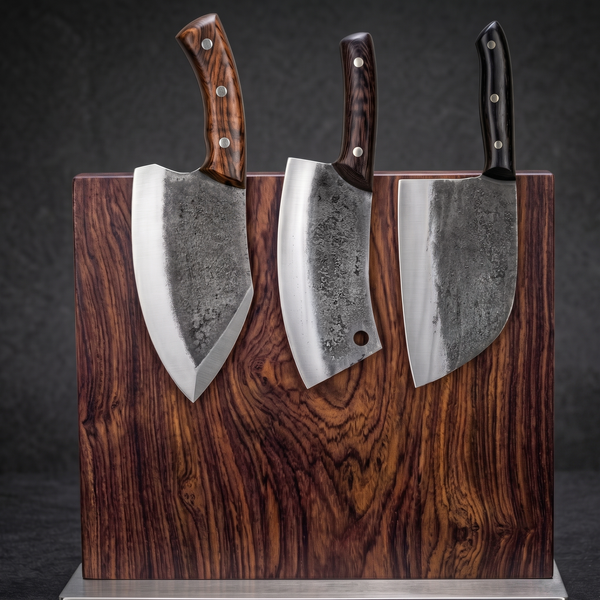
The Butcher's Trio 3 Piece Hand Forged Cleaver Set is the set we would pick for the cuts in this recipe.
Cook this next
One recipe a week, straight to your inbox
One email a week with the new recipe and the knife that makes it easy. No spam, unsubscribe any time.