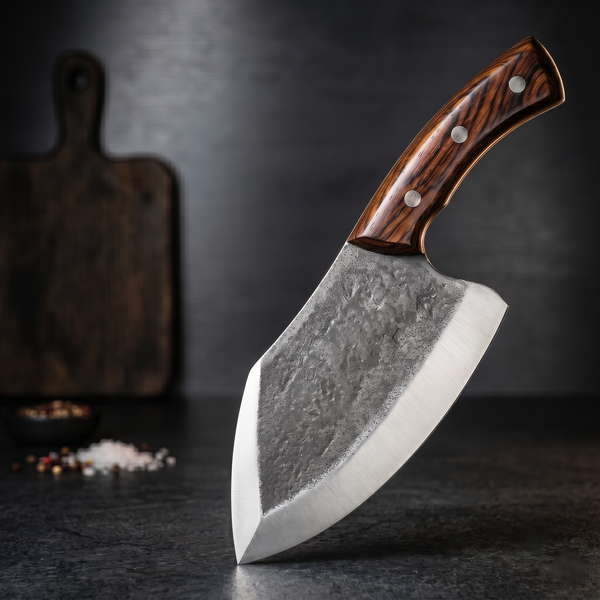
Hand Forged Boning and Fillet Knives
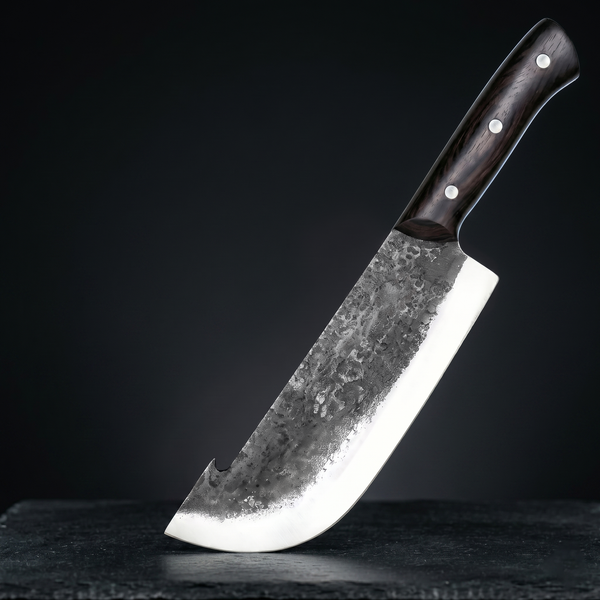
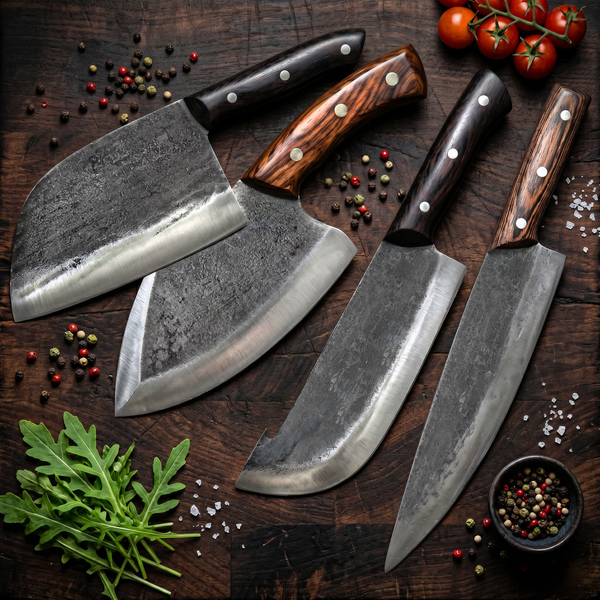
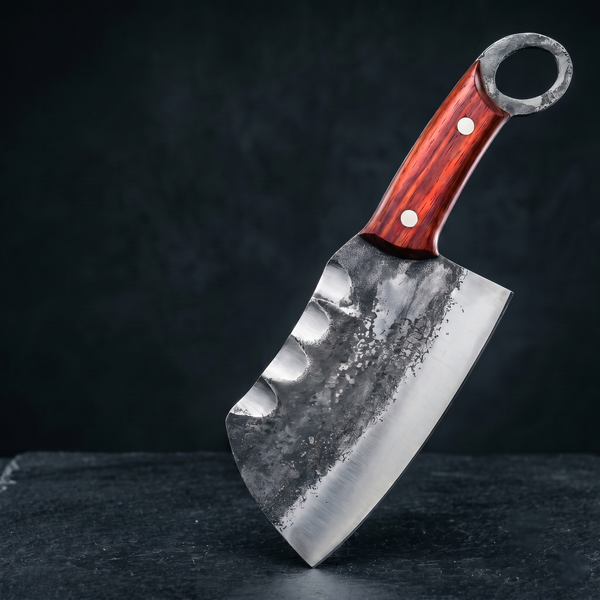
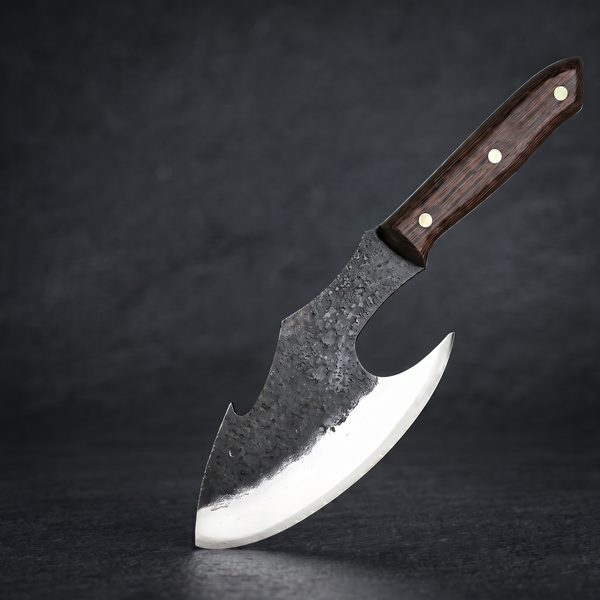
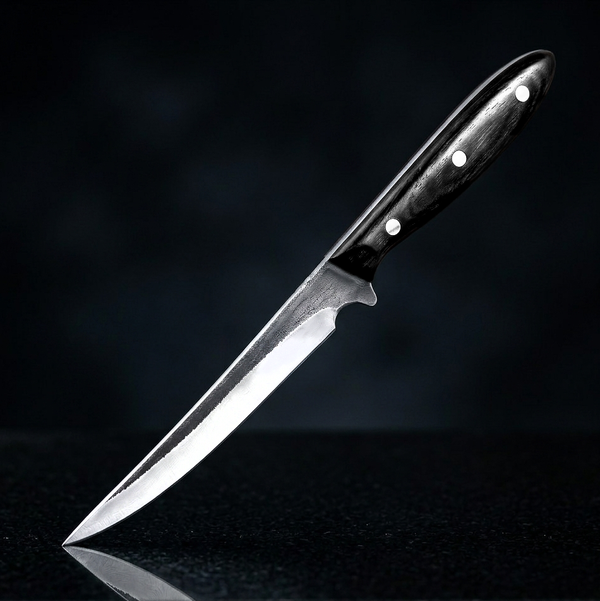
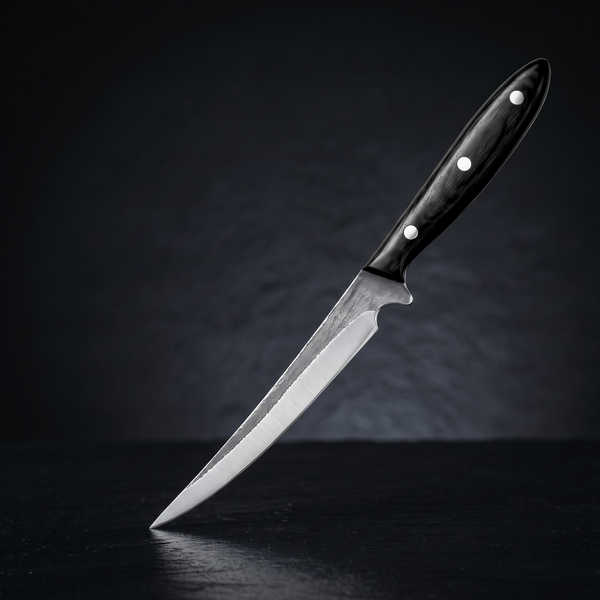
A boning knife follows the bone and takes the meat off it without waste, and a fillet knife does the same for fish, with enough flex to ride a backbone and lift the skin. This collection holds one boning knife and two fish fillet knives, all hand forged from high carbon steel with a full tang, steel pins and black rosewood handles. The Mako 7.5" has a trailing point blade for poultry, pork, game and brisket trimming. The Barracuda 10", 10" overall, suits trout, walleye and the rest of the everyday catch. The Barracuda 13" carries an 8" blade for salmon and big striped bass. Shipping is free in the USA and Australia, and each knife has a lifetime warranty.
What is a boning knife used for?
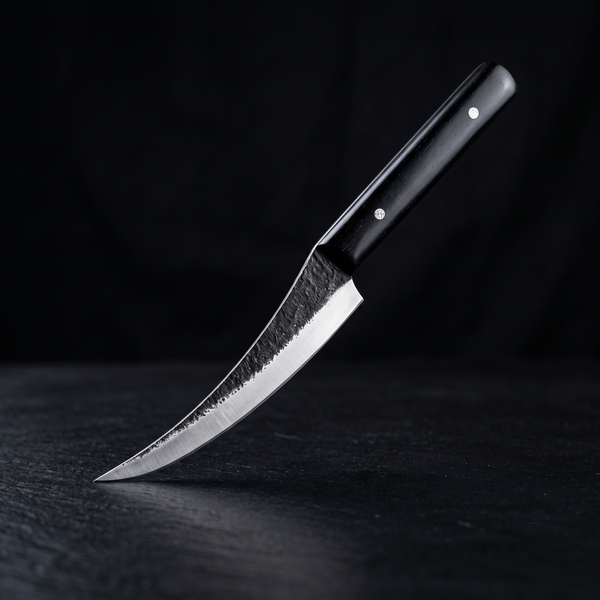
Getting meat off the bone and cleaning it up once it is off. The Mako rides the bone on chicken thighs and pork shoulder, pulls silver skin off a tenderloin in long strips and strips the membrane from a rack of ribs. Its trailing point sweeps up toward the tip, which gives a long curved cutting line for sweeping trim work, which is what makes it so handy on a brisket before the smoker. It also skins and does light filleting when a deer or a fish is on the table. What it does not do is cut through bone. That is cleaver work, and our guide on what a meat cleaver is used for covers it.
What is a fish fillet knife used for?
Turning a whole fish into clean fillets. With the Barracuda you start behind the gill plate and run to the tail, letting the blade bend along the ribs and stay firm as you push through skin. The hammer textured high carbon steel on both sizes is balanced between stiff and flexible for exactly that. In the kitchen the same blades break down poultry and handle fine portioning that a chef knife is too clumsy for. A cheap stamped fillet knife will also do this, right up until it folds over on the backbone of the biggest fish of the season.
Boning knife vs fillet knife: what is the difference?
They do the same kind of job on different animals. The boning knife is built for meat, fat and connective tissue, and the Mako handles heavy trim work like a brisket fat cap. The fillet knives are built for fish, with the flex to follow a backbone and lift skin cleanly. There is overlap: the Barracuda 10" copes with poultry and light trimming, and the Mako handles filleting and skinning in a pinch. If brisket and game fill most of your weekends, start with the Mako. If a cooler of fish does, start with a Barracuda. If both happen, you already know the answer, and it involves two knives.
Which size fillet knife should you buy?
Pick by the fish you actually bring home. The Barracuda 10" is the size for panfish, trout, walleye, crappie, bass and snapper, and it is easy to control on a kitchen board or a tailgate. The Barracuda 13" has an 8" blade for salmon, striped bass, big redfish and anything that hangs over the edge of a small board. It is a lot of steel to steer around a small perch, so do not buy it for panfish.
| Knife | Size | Best for |
|---|---|---|
| Mako Boning Knife | 7.5" blade | Boning, trimming brisket, skinning |
| Barracuda 10" Fillet Knife | 10" overall | Trout, walleye, panfish, poultry |
| Barracuda 13" Fillet Knife | 8" blade, 13" overall | Salmon, striped bass, long fillets |
How do you sharpen and care for a fillet knife?
Sharpen it on a whetstone or a guided sharpener, holding one steady angle and following the curve all the way into the tip, with even strokes on both sides. A thin blade needs a light hand, since pressing hard mostly wears away steel you wanted to keep. High carbon steel takes an edge easily. Care matters more than sharpening. Rinse off fish slime and salt as soon as you finish, hand wash, dry it right away and wipe on a light coat of food safe oil. No dishwasher and no soaking. The high carbon steel knife care guide has the rest. Pitmasters will find the Mako again in our BBQ knives, and the heavier blades for breaking down meat are in butcher knives.
Read before you buy
Still not sure which of the two you need? Boning knife vs fillet knife, side by side goes through shape, length and flex. The Mako does a lot of its work on brisket, and our brisket slicing guide explains which knife takes over once the cook is done. A Barracuda makes a good present for someone who fishes, and there are more hand forged gift ideas in the gift shop. Or see what other customers pick first in our most popular knives.
Questions
What does a boning knife look like?
A narrow blade with a pointed tip, far slimmer than a chef knife, so it can work close to the bone. The Mako has a 7.5" trailing point blade that sweeps up toward the tip, a dark raw forge finish on the spine, a polished edge and a black rosewood handle.
How do you use a boning knife?
Keep the edge against the bone and take short, controlled strokes, letting the tip follow the joint rather than forcing through it. Use the curved part of the blade for long sweeps under fat caps and silver skin. A boning knife works along the bone, never through it, so leave chopping to a cleaver.
What size fillet knife is best for trout?
A shorter one. The Barracuda 10", 10" overall, is the size we point people to for trout, panfish and walleye. It is easy to steer around a small fish and still has the flex to ride the backbone and lift the skin cleanly.
What size fillet knife is best for salmon?
A longer blade, so you can run from behind the gill plate to the tail in one stroke. The Barracuda 13" carries an 8" hammer textured high carbon steel blade on a 13" frame and is built for salmon, striped bass and big redfish.
Will a high carbon steel fillet knife rust in saltwater?
Only if it stays wet. Rinse off salt and fish slime as soon as you finish, dry the blade right away and keep a thin coat of food safe oil on it. Over time the steel darkens into a patina, which is normal and helps protect it.
Guides for Hand Forged Boning and Fillet Knives
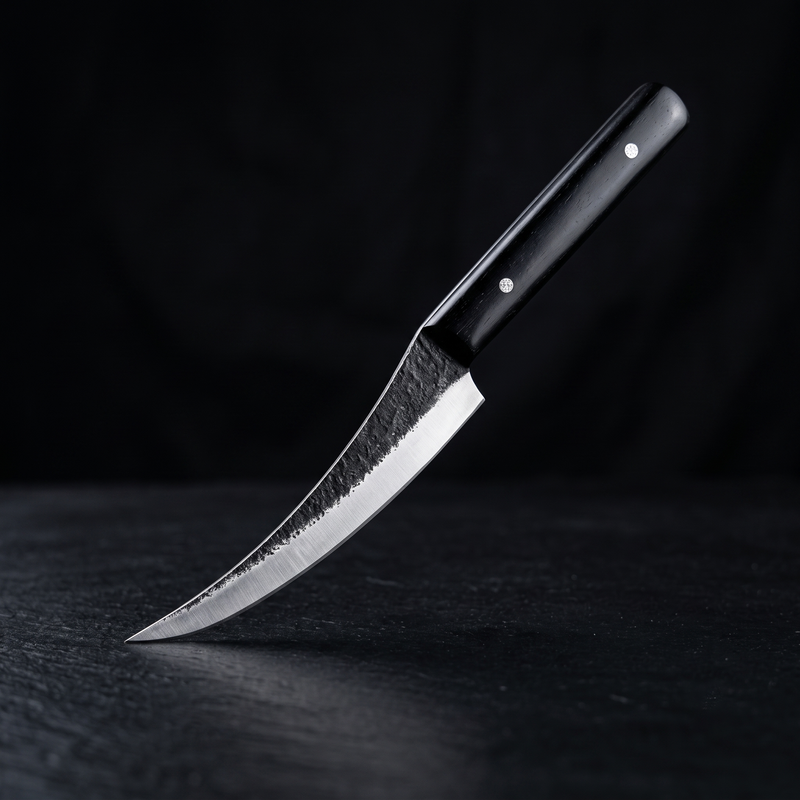
Boning Knife vs Fillet Knife: What Is the Difference?
Boning knife or fillet knife? The real difference is stiffness. Here is how the two shapes compare, which one to use for fish, poultry,...
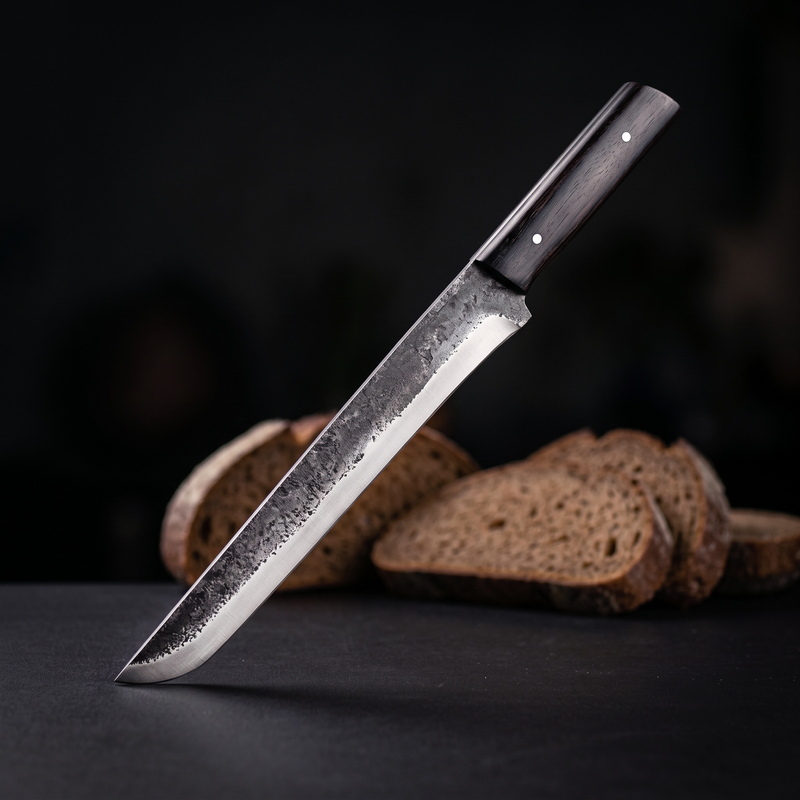
Best Knife for Slicing Brisket: Length, Edge and Timing
What makes the best knife for slicing brisket: a long straight edge, enough length to cross a packer flat, and a sharp blade that...
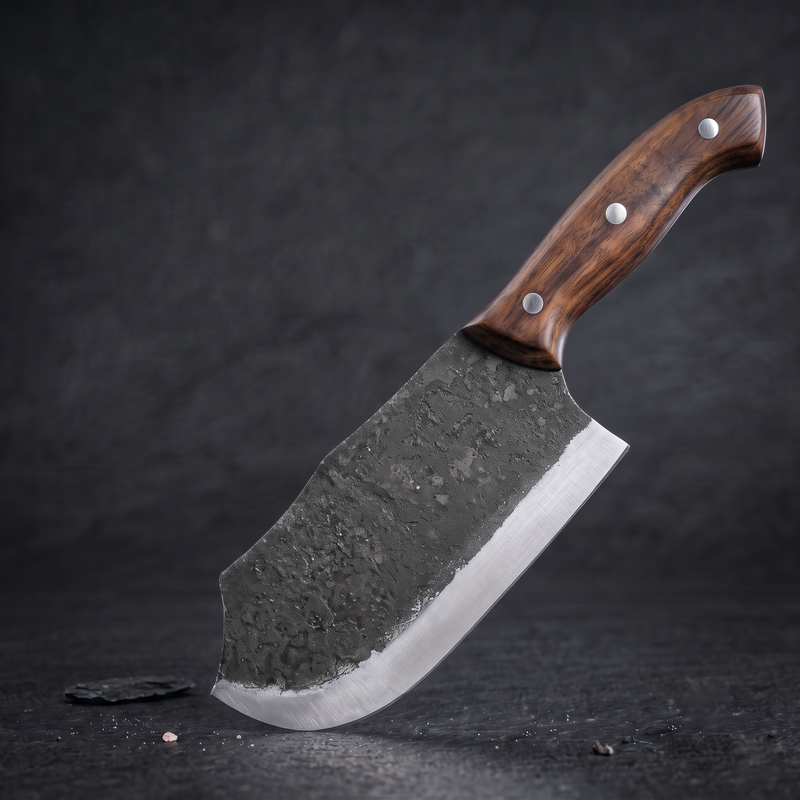
High Carbon Steel Knife Care: Rust, Patina, Oiling and Sharpening
High carbon steel rewards a simple routine. Here is how to wash, dry and oil a carbon steel knife, remove light rust, force a...