
Boning Knife vs Fillet Knife: What Is the Difference?
September 27, 2026 · By Matt
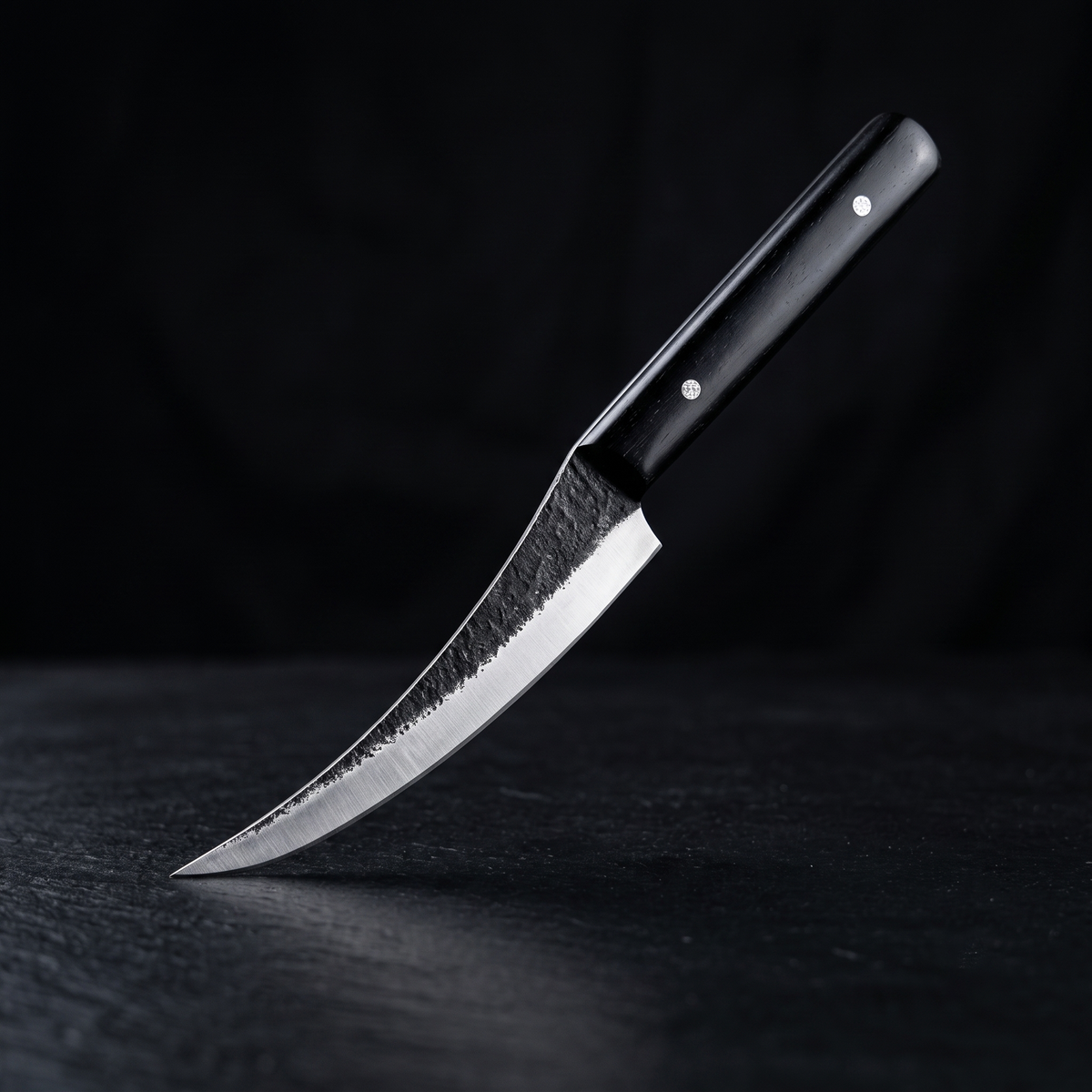
The main difference between a boning knife and a fillet knife is stiffness. A boning knife is usually the firmer one, built to work around bones and joints in meat and poultry. A fillet knife is usually longer and more flexible, so it rides a fish backbone and lifts skin cleanly. Boning knife for meat, fillet knife for fish.
At a glance the two look almost the same: narrow blade, pointed tip, not much height. Which is why plenty of people buy one, use it for both jobs and wonder why their salmon fillets look like they lost a fight. The shape tells you a little. How the blade behaves under pressure tells you the rest.
Stiffness Is the Real Difference
On meat, you want a blade that goes where you point it. Separating a chicken thigh from the carcass, working around a shoulder blade or stripping silver skin off a tenderloin all ask the knife to push through tough tissue without wandering. A firmer blade does that. The sharp tip follows the bone and the blade does not bend away from the cut.
On fish, you want the opposite. A fish fillet sits on a thin, curved rack of bones, and you want to leave as little meat on that rack as possible. A blade with some give bends along the backbone and over the rib cage, so the edge stays close to the bone all the way down. The same flex lets you lay the blade almost flat to slide the skin off a fillet.
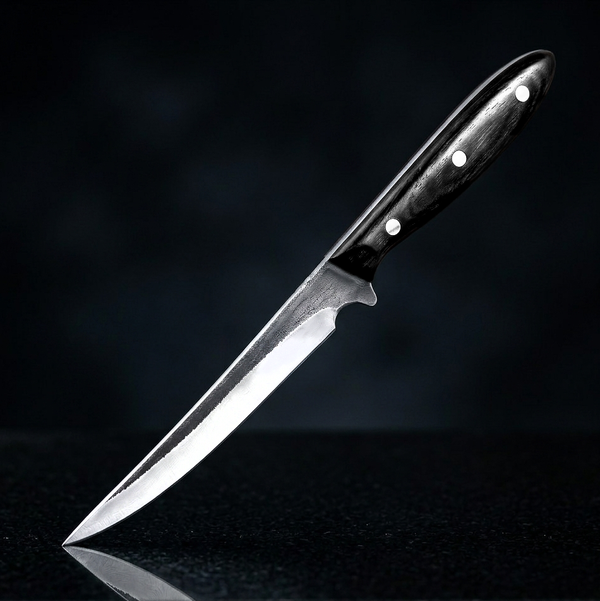
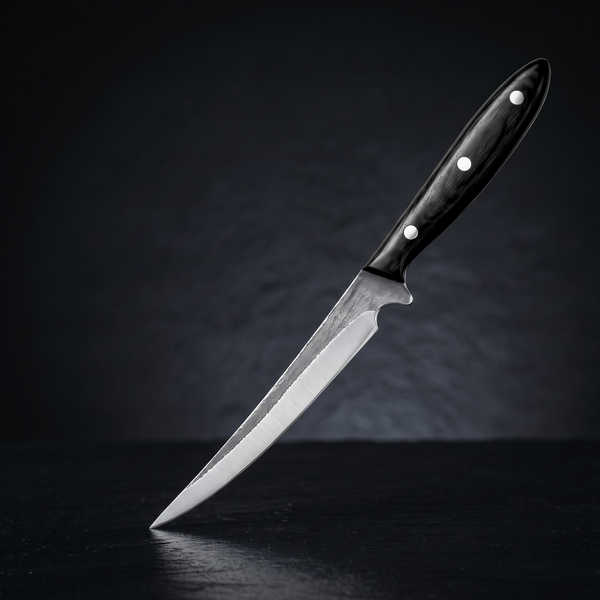
Most real knives sit somewhere on a scale between those two ends, and the good ones aim for a balance. Our Barracuda 10" fillet knife is forged to bend a little along the ribs and stay firm when you push through skin. The Barracuda 13" is balanced the same way, with enough bend to follow the backbone and enough backbone of its own to push through skin without folding over.
Blade Shapes
Boning knife shape
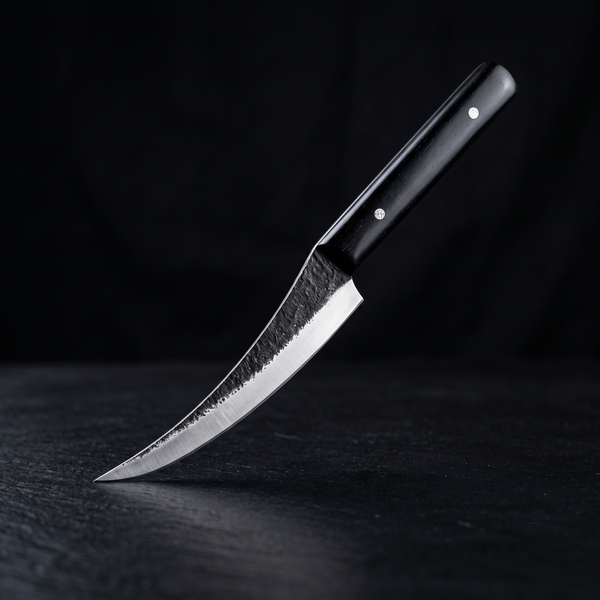
Boning knives come in a few shapes, straight and curved, but they share a narrow blade and a sharp point for working into joints. Our Mako 7.5" boning knife has a trailing point, where the edge sweeps up toward the tip. That gives a long curved cutting line for sweeping trim work, which is why it is the knife we reach for first on cook day for brisket fat caps and silver skin.
Fillet knife shape
A fillet knife is typically long and slender, with a gently curved edge and a fine point. The length matters as much as the flex. On a big fish you want to run from behind the gill plate to the tail in one stroke instead of sawing, because every stop and start leaves a ragged line. The Barracudas carry hammer texture on the flats with the edge brought up clean below it.
Fish, Poultry, Red Meat: Which Knife
This is the part people actually want answered, so here it is, job by job.
- Fish. Fillet knife. Trout, walleye, crappie, bass and other everyday catches suit the Barracuda 10". Salmon, striped bass, big redfish and anything that hangs over the edge of a small board suit the Barracuda 13".
- Poultry. Either works. A boning knife is quicker at separating joints and taking thighs off the bone. The Barracudas also break down whole birds well, so if fish is your main job, one fillet knife can cover chicken too.
- Brisket, pork shoulder and ribs. Boning knife. Trimming a fat cap, squaring up a flat and pulling membrane off ribs is exactly what the Mako is shaped for. It rides the bone on chicken thighs and pork shoulder as well.
- Game. Boning knife for taking meat off the bone and skinning. The Mako handles that, and it copes with light filleting when a fish ends up on the same table.
- Anything through bone. Neither. Both work along the bone, not through it. That is what a cleaver is for.
| Boning knife | Fillet knife | |
|---|---|---|
| Typical stiffness | Firmer, holds its line in tough tissue | More give, bends along a backbone |
| Typical shape | Narrow, pointed, straight or curved | Long, slender, gently curved edge |
| Main job | Removing bone from meat and poultry, trimming fat and silver skin | Filleting and skinning fish |
| Also good for | Skinning game, light filleting | Whole poultry, fine trimming |
| Not for | Cutting through bone, slicing cooked meat | Heavy meat trimming, bone |
| Our knives | Mako 7.5" blade, trailing point | Barracuda 10" overall, Barracuda 13" with an 8" blade |
Length: Which Size to Pick
Be careful with the names, because the numbers do not all mean the same thing. The Mako 7.5" has a 7.5 inch blade. The Barracuda 10" is 10 inches overall, handle included, which makes it the compact one of the pair and easy to control on a kitchen board or a tailgate. The Barracuda 13" is 13 inches overall with an 8 inch blade, and that extra reach is the whole point of it.
For fish, match the blade to the catch. The Barracuda 10" is the size we point people to for panfish, trout and walleye. The 13" is for long fillets off big fish, and it struggles on panfish, since 8 inches of steel is a lot to steer around a small perch. For meat, the Mako's 7.5 inch trailing point blade is sized for fat cap and silver skin work, pulling membrane off in long, controlled strips, and it still rides the bone on a chicken thigh.
Flex and Control
Flex is not free. The more a blade bends, the more your hand has to do the steering, and the harder it gets to push through something tough. That is why a very floppy knife feels great on a trout and terrible on a pork shoulder. It is also why using a stiff knife on fish leaves meat on the bones. Neither knife is wrong, they are just being asked to do the other's job.
Control also comes from grip. A fish on a cleaning table is wet and slimy, and a pork shoulder is not much better. All three of these knives are full tang with steel pins and black rosewood handles, so there is no wobble where blade meets wood. Keep the handle dry anyway. A knife slipping in a greasy hand is a more common problem than a knife that is too stiff.
Sharpening a Thin Blade
Boning and fillet knives are sharpened the same basic way as any kitchen knife, on a whetstone, but the thin blade asks for a lighter touch. As general practice, thin kitchen blades are usually sharpened around the lower end of the common 15 to 20 degrees per side range. That is a typical figure, not a spec for our knives. Color the bevel with a marker and match the angle already on the edge.
- Press lightly. A flexible blade bows under heavy pressure and lifts the edge off the stone. Keep a couple of fingertips on the flat just above the edge and let them hold it down.
- Work in short sections. Sharpen the heel, then the middle, then the curve up to the tip, lifting the handle slightly through the curve so the bevel stays flat.
- Protect the tip. The point does a lot of the work on both knives and is the easiest part to round off. Ease up as you reach it.
- Hone often. A few light strokes on a honing rod before each session keeps a thin edge in line and means fewer trips to the stone.
Care After Fish and Raw Meat
All three are high carbon steel, which takes a keen edge and comes back easily on a stone, and rusts if you leave it wet. Rinse off fish slime and salt as soon as you finish, then hand wash, dry right away and wipe on a light coat of food safe oil. No dishwasher and no soaking. Salt water left on the blade overnight is the fastest way to spot it. The full routine, including patina and rust removal, is in our high carbon steel knife care guide.
If you cook both fish and meat, the honest answer is one of each. Start with the knife for the job you do most often, and see the whole range in our boning and fillet knives collection.
Trimming a brisket with the Mako is only half the job, and the knife for slicing brisket after the rest covers the other half. If you are breaking down bigger cuts before any of this, meat cleaver or butcher knife helps you pick the heavy blade.
Questions
Can I use a fillet knife as a boning knife?
For poultry and light trimming, yes. A fillet knife with some give still takes chicken apart and trims silver skin. For heavier meat work like trimming a brisket fat cap or working around a pork shoulder, a boning knife holds its line better, and you will spend less effort keeping the blade on course.
Can I use a boning knife to fillet fish?
You can, and it will get the job done on small fish. A firmer blade does not bend along the backbone as well, so you tend to leave more meat on the bones. If you clean fish often, a dedicated fillet knife is worth having. The Mako handles light filleting, the Barracudas are built for it.
Is a boning knife the same as a fillet knife?
No, though they look alike. Both are narrow, pointed knives, but a boning knife is usually firmer and made for meat and poultry, while a fillet knife is usually longer and more flexible for fish. The stiffness of the blade is the difference you feel in use.
What size fillet knife do I need?
Match it to the fish. Our Barracuda 10", which is 10 inches overall, suits trout, walleye, panfish and other everyday catches. The Barracuda 13", with an 8 inch blade, suits salmon, striped bass and big redfish where you want one long stroke from head to tail. Too long a blade is hard to steer on small fish.
Do boning and fillet knives need special sharpening?
The method is the same as for any kitchen knife on a whetstone. The difference is touch. Use light pressure so the thin blade does not bow, work in short sections, ease up at the tip and match the angle already on the edge. Hone lightly between sharpenings to keep the edge in line.
Shop the knives from this guide
Keep reading
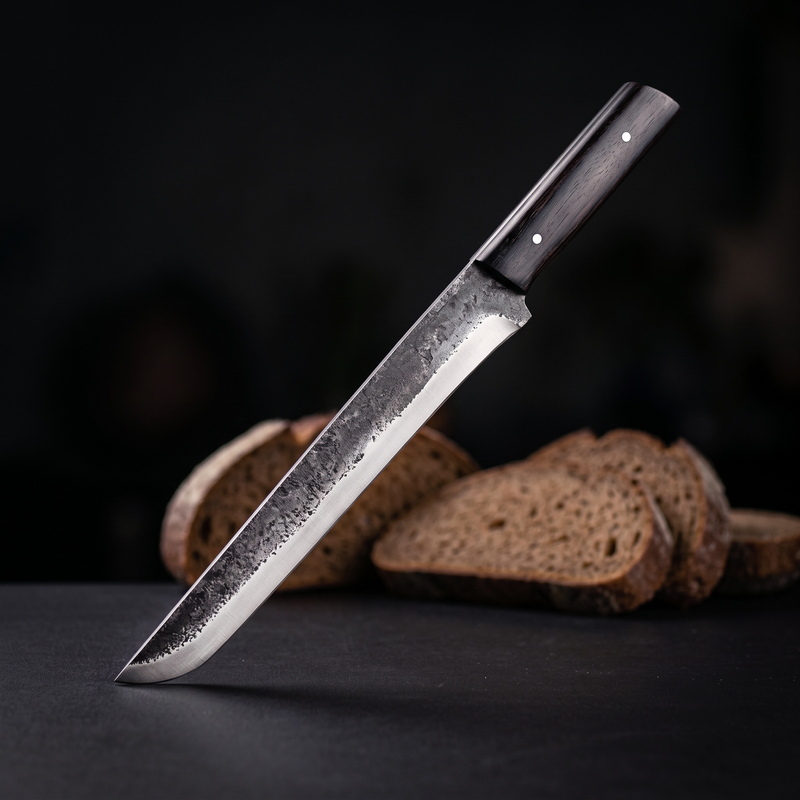
Best Knife for Slicing Brisket: Length, Edge and Timing
What makes the best knife for slicing brisket: a long straight edge, enough length to cross a packer flat, and a sharp blade that...
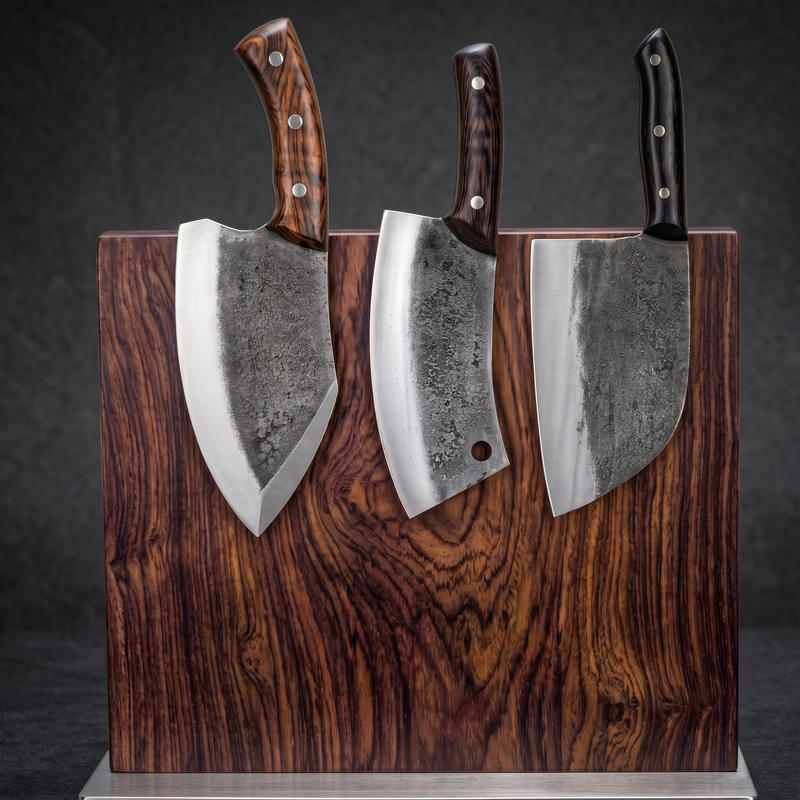
Meat Cleaver vs Butcher Knife: Which One Your Kitchen Needs
A meat cleaver chops through joints and bone with weight and a tough edge. A butcher knife slices, trims and portions with a long,...
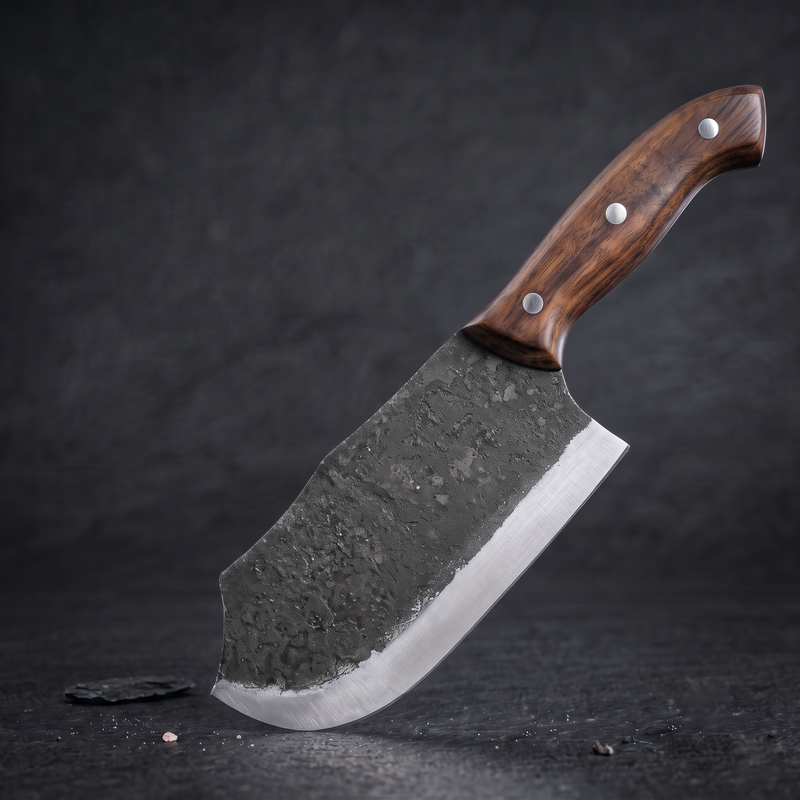
High Carbon Steel Knife Care: Rust, Patina, Oiling and Sharpening
High carbon steel rewards a simple routine. Here is how to wash, dry and oil a carbon steel knife, remove light rust, force a...