
What Is a Meat Cleaver Used For? 9 Jobs It Does Better Than Your Chef Knife
September 27, 2026 · By Matt
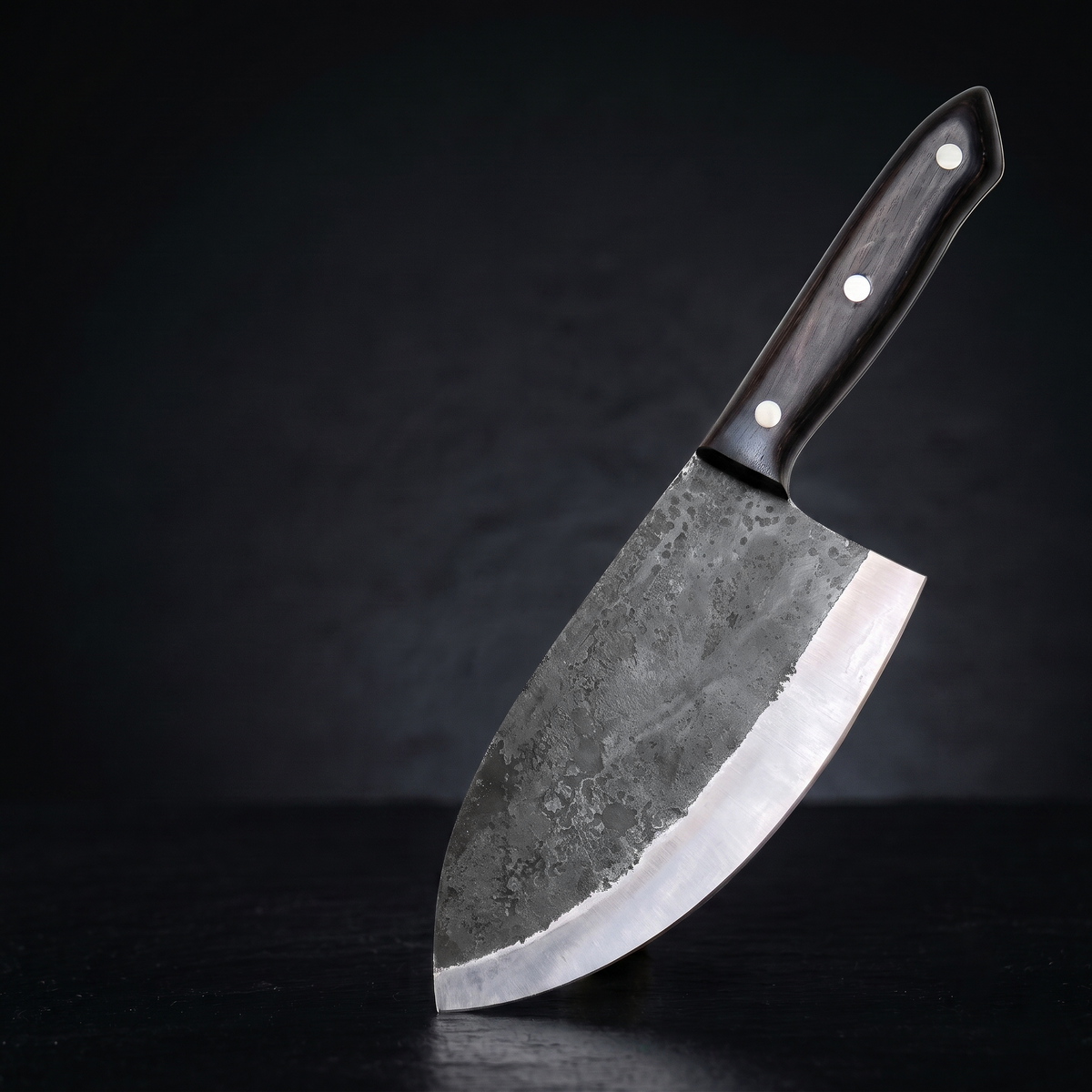
A meat cleaver is a heavy, tall knife built to chop rather than slice. It is used for cutting through joints, cartilage and small bones, splitting chicken and ribs into portions, cracking bones for stock, mincing meat by hand, smashing garlic with the flat and chopping hard vegetables. You let the weight drop instead of sawing.
What is a cleaver, in plain terms? It is the knife that horror movies love and most home cooks are a little scared of. Which is a shame, because once you have used one to take a chicken apart in under a minute, your chef knife starts to look like it has been doing a job it never signed up for. Here are the jobs a cleaver knife is used for, how to do each one, and the few things you should never ask it to do.
What Is a Cleaver, Exactly?
A meat cleaver has a tall, roughly rectangular blade, a thick spine and a lot of weight for its size. Most carry a sturdier edge than a chef knife, because that edge has to survive landing on bone. The height keeps your knuckles off the board, and the mass sitting above the edge means the knife does the pushing for you. You lift it a few inches, aim, and let it fall.
There are thinner, lighter cleavers made mainly for vegetables. They look similar but should not go near bone. There are also cleaver shaped chef knives, like the Serbian chef knife, which borrow the height but keep a curved edge for rocking cuts. This guide is about the real meat cleaver, the heavy one.
9 Jobs a Meat Cleaver Does Better Than Your Chef Knife
1. Spatchcocking a chicken
Set the bird breast side down with the backbone facing you. Line the cleaver up along one side of the backbone and chop down firmly, then do the other side. Two or three clean chops and the backbone is out. Flip the bird, press it flat, and it is ready for the grill. With a chef knife this is a wrestling match. With a cleaver it is a chore you finish before the grill is hot.
2. Breaking down a whole chicken
Take the legs and wings off at the joints first, where a light chop finds the gap. Then split the breast down the middle through the breastbone, and cut each half into two if you want smaller pieces. The cleaver goes through the small bones and cartilage that make a chef knife chip or bounce.
3. Cutting ribs into portions
Slicing between the bones of a rack works with most knives. Cutting across the bones to make short, bite size pieces is where you need a cleaver. Rest the edge on the line you want, lift a few inches and bring it down in one committed chop. One clean strike leaves a neat cut. Three nervous hacks leave splinters of bone in somebody's dinner.
4. Getting through joints and cartilage
Oxtail, pork shoulder, lamb shanks and turkey legs all have joints that a cleaver separates quickly. Feel for the joint with your fingers first, put the edge right in the gap and chop. Joints are much easier than solid bone, and a cleaver on the right spot barely needs any force.
5. Cracking bones for stock
Chicken carcasses and pork bones give more flavor to stock when they are cracked open. Lay the bone flat on the board and hit it with a short, straight chop in the middle. Big beef leg bones are a different animal, literally. Those need a very heavy cleaver or a saw.
6. Mincing meat by hand
Cut the meat into strips, then chop across the pile with a steady up and down rhythm, folding the pile over with the flat of the blade every so often. It takes a few minutes and gives you a coarser, looser mince than a grinder, which is great for dumplings, burgers and meatballs. Some cooks use two cleavers at once. That is optional and very loud.
7. Smashing garlic and ginger
Lay the blade flat over a clove of garlic or a piece of peeled ginger, edge facing away from you, and press down hard with the heel of your palm. The skin pops off the garlic and the ginger breaks open for a quick mince. This is the fastest trick a wide blade has.
8. Chopping hard vegetables
Winter squash, cabbage, sweet potatoes and celery root all fight back against a thin knife. A cleaver goes through them with its weight. Cut a flat side first so the vegetable sits still, then chop straight down. Keep your guide hand well back and let the blade drop instead of pushing it.
9. Flattening cutlets and carrying food
Put a chicken breast or pork cutlet between two sheets of plastic wrap and press or tap it with the flat of the blade until it is even. When you are done chopping, turn the blade flat and use it as a scoop to carry everything to the pan. Push food onto it with the spine, not the edge, because dragging the edge across the board is how cleavers go dull without anyone noticing.
How to Use a Meat Cleaver Safely
- Use a heavy board. Thick wood or plastic, on a damp towel so it does not slide. Never glass, marble or stone.
- Grip the handle firmly. For chopping, hold the handle with your whole hand. If your cleaver has a finger hole, you can hook a finger through it for trimming and close work.
- Aim first, then chop. Rest the edge on the spot, lift a few inches and let it drop. The drop is controlled, not a swing from the shoulder.
- Guide hand away. Hold the food well back from the chop line. A cleaver does not care whose knuckle is in the way.
- If it sticks, lift it straight out. Work it back up along the line of the cut. Do not rock it sideways or lever it.
What Not to Do With a Cleaver
Most chipped cleavers were not defective. They were asked to do one of these.
- No frozen blocks. Frozen meat is as hard as bone all the way through, and chopping it is how edges chip. Thaw it first or use a saw.
- No twisting in bone. If the blade is stuck in a bone, pull it straight back out. Twisting puts sideways force on the edge, which is exactly where it is weakest.
- No prying. It is not a crowbar, a can opener or a tool for splitting kindling in the kitchen.
- No wild swinging. Big overhead swings are less accurate and more dangerous, and they do not cut better than a controlled drop.
- No heavy beef bones with a light cleaver. Match the cleaver to the bone. Small cleavers are for chicken and ribs.
- No dishwasher. High carbon steel wants a hand wash, a towel and a light coat of food safe oil.
Which Cleaver for Which Job
Here is how the jobs above line up with cleaver size, and which of our hand forged cleavers covers each one. Every one is high carbon steel with a full tang and steel pins.
| Job | Cleaver size to use | Our pick |
|---|---|---|
| Spatchcocking and breaking down chicken | Small to mid size | Warthog 6" or Razorback 6" |
| Cutting ribs into portions | Small to mid size | Razorback 6" |
| Joints and cartilage | Mid size | 7.5" Hand Forged Butcher Cleaver |
| Cracking big bones | Heavy | Mammoth 9.1" |
| Trimming and portioning | Small, finger hole helps | Megalodon 6.6" |
| Hard vegetables and daily prep | Mid size with a curved belly | Rhino 8" |
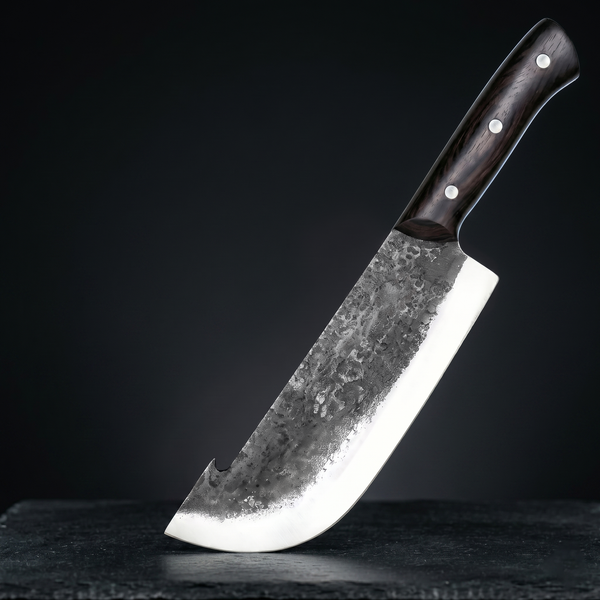
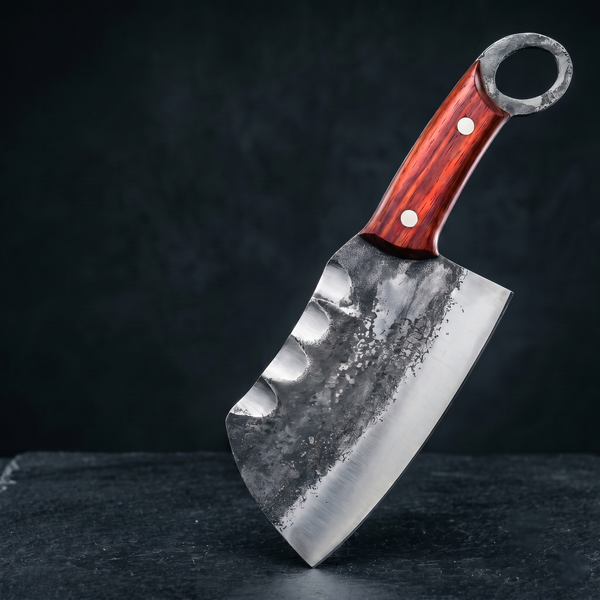
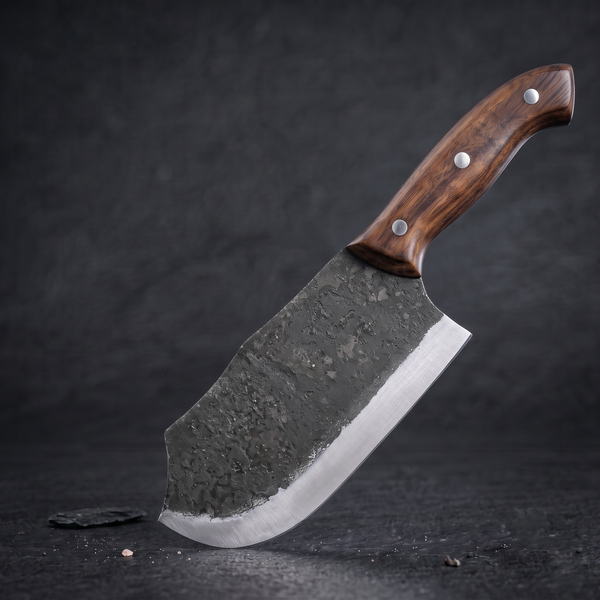
The Warthog 6" is compact enough for a camp box and handles chicken halves and rib portions without a big swing. The Razorback 6" adds a finger hole and a saw tooth spine for ribs and trim work. The 7.5" Hand Forged Butcher Cleaver is the all round pick for joints, poultry and pork bones. The Mammoth 9.1" weighs about 1500 grams and exists for cracking bone and splitting big joints. The Megalodon 6.6" has a finger hole near the spine that lets you steer it for close work.
To compare them properly, read our guide on how to pick the best meat cleaver, or browse all our hand forged meat cleavers. If you trim more than you chop, our butcher knives may be the better fit.
If you got this far and still cannot decide whether you need a cleaver at all, cleaver vs chef knife for a home kitchen compares the two job by job. And if the real question is trimming against chopping, cleaver versus butcher knife settles that one. Reading both takes less time than returning the wrong knife.
Questions
What is the difference between a cleaver and a chef knife?
A chef knife is thinner and lighter, with a curved edge for slicing, dicing and rocking cuts. A meat cleaver is taller, thicker and heavier, with a sturdier edge that can take impact. You slice with a chef knife and chop with a cleaver. Using a chef knife on bone is how it gets chipped.
Can a meat cleaver cut through bone?
Yes, within reason. A good meat cleaver goes through chicken bones, ribs, joints and cartilage, and a heavy one can crack pork and beef bones for stock. Very thick beef leg bones and anything frozen are saw jobs. Line up the cut and use one controlled chop rather than several hacks.
Can you use a cleaver for vegetables?
Yes. A cleaver chops hard vegetables like squash, cabbage and sweet potatoes well because its weight does the pushing, and the wide blade scoops everything to the pan. A heavy bone cleaver gets tiring for a big pile of onions, so a lighter cleaver or a Serbian chef knife is nicer for daily vegetable prep.
How do you hold a meat cleaver?
For chopping, grip the handle firmly with your whole hand and keep your wrist straight. Rest the edge on the spot, lift a few inches and let it drop. For lighter work, pinch the blade just ahead of the handle, or hook a finger through the finger hole if your cleaver has one.
Do I need a meat cleaver?
If you ever break down whole chickens, cut ribs into portions, make stock from bones or buy larger cuts to portion yourself, yes. It saves your chef knife from jobs that chip it. If you only cook boneless meat and vegetables, a good chef knife covers most of what you do.
Shop the knives from this guide
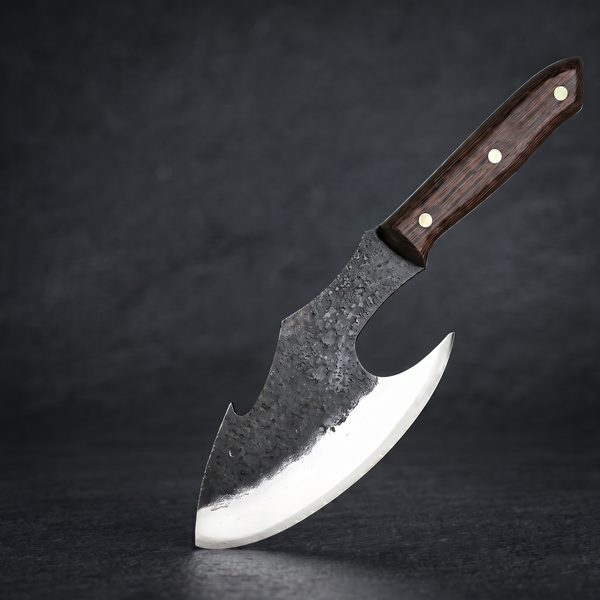
Keep reading
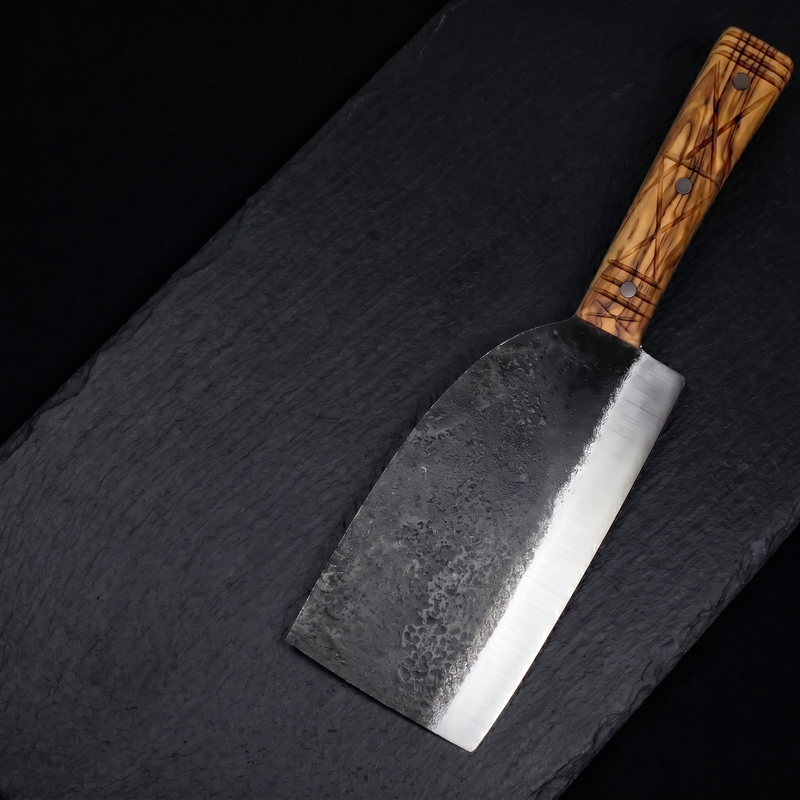
How to Pick the Best Meat Cleaver for Your Kitchen
A buyer's guide to the best meat cleaver for your kitchen. What weight, blade length, height, spine, handle, finger hole and steel actually change,...
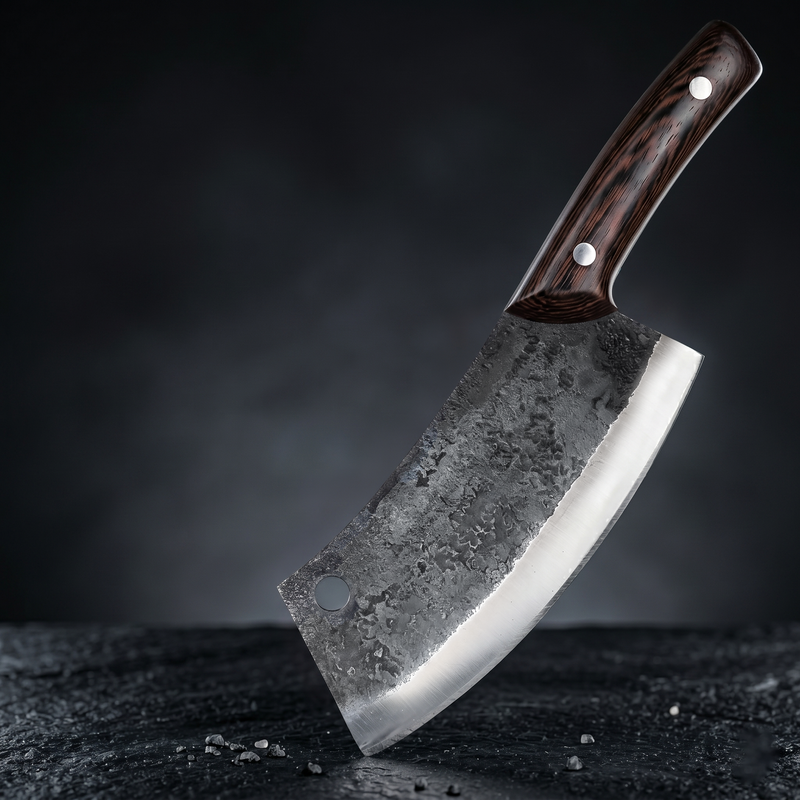
Cleaver vs Chef Knife: Which One Do You Actually Need?
Cleaver or chef knife? What each knife is actually for, where the tall Serbian style chef cleaver sits between them, how weight and cutting...
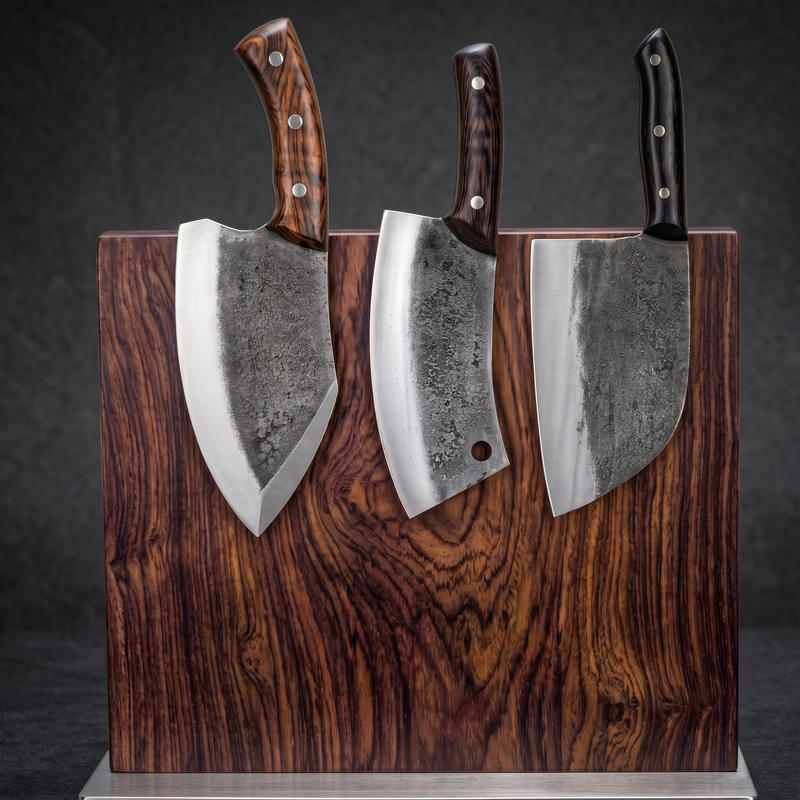
Meat Cleaver vs Butcher Knife: Which One Your Kitchen Needs
A meat cleaver chops through joints and bone with weight and a tough edge. A butcher knife slices, trims and portions with a long,...