
High Carbon Steel Kitchen Knives, Hand Forged
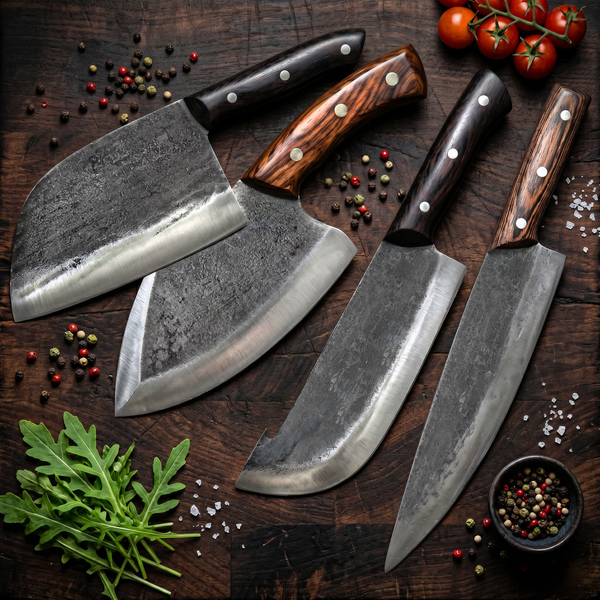
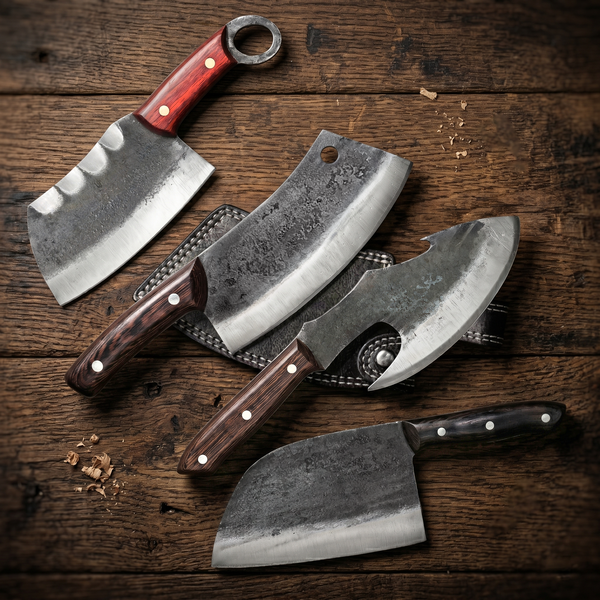
High carbon steel kitchen knives are blades made from steel that takes a very keen edge and comes back to sharp quickly on a whetstone, and every knife in the Xcutlery store is one of them, hand forged and full tang with steel pins. The price of that edge is a little attention. Leave the blade wet and it will rust, so you wash it, dry it and wipe on a thin coat of food safe oil. Do that and the steel darkens into a grey patina over the months, which is normal and protects it. This page holds the whole range, from the Orca 7" chef knife for daily prep to the Kodiak 8" butcher cleaver and the Barracuda 10" fillet knife. If you are still weighing carbon against the steel in your current drawer, read carbon steel vs stainless steel knives first.
What does high carbon steel mean on these knives?
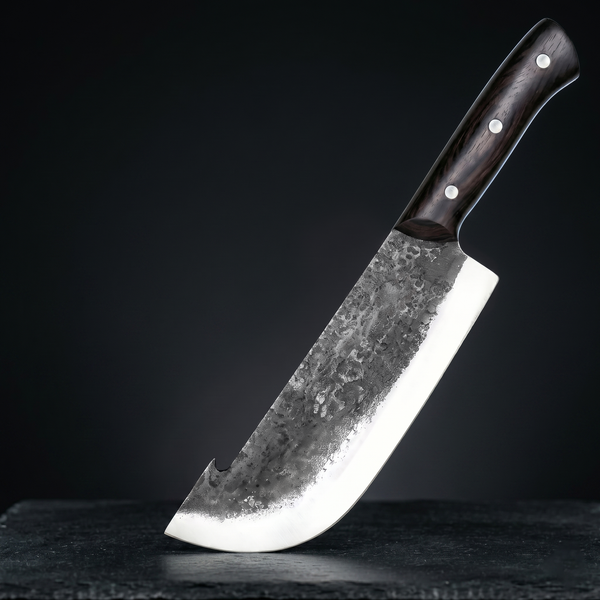
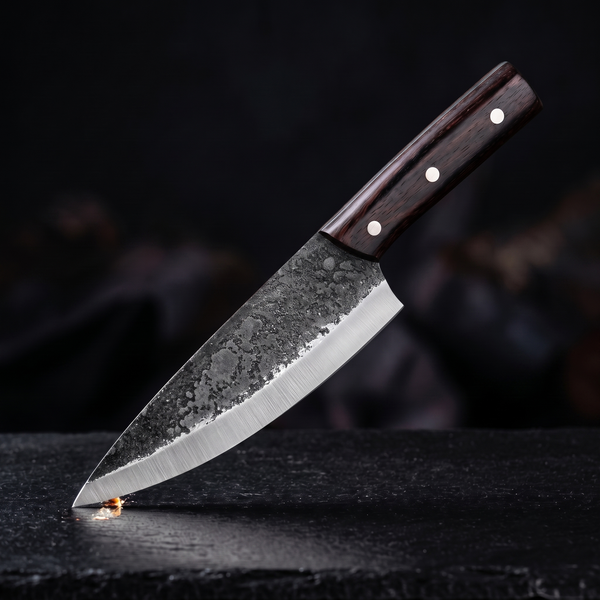
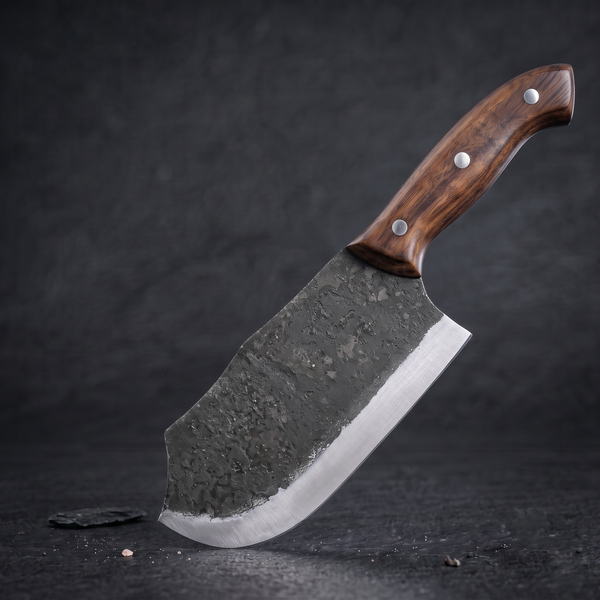
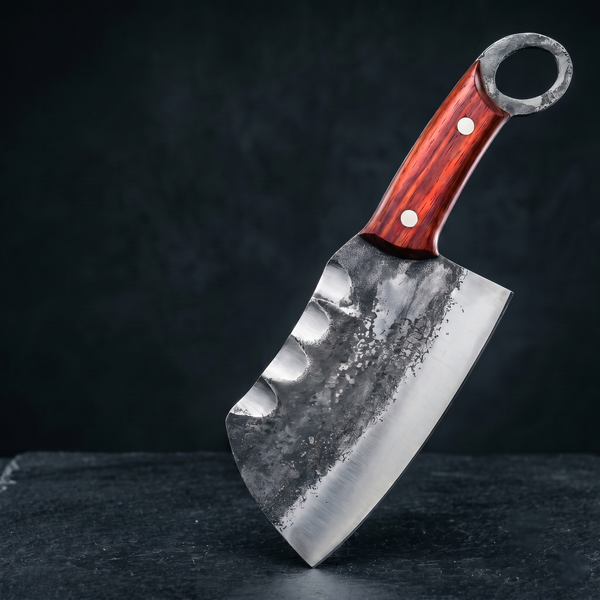
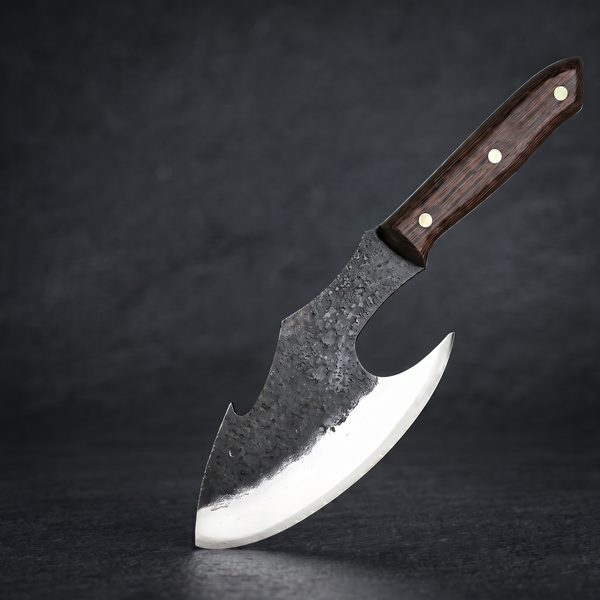
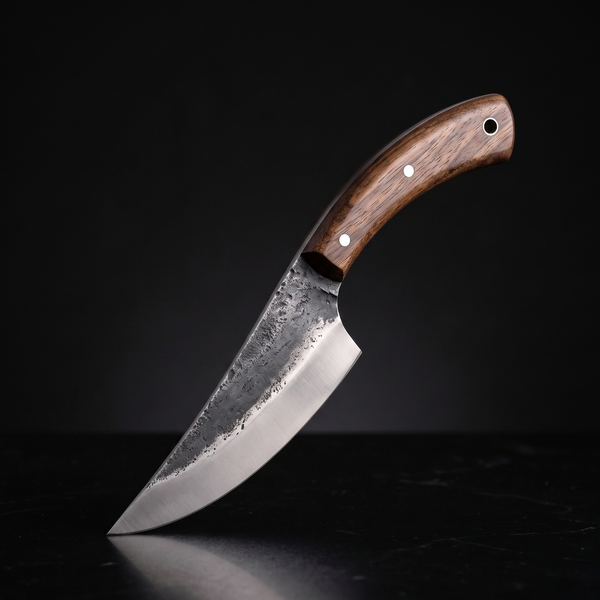
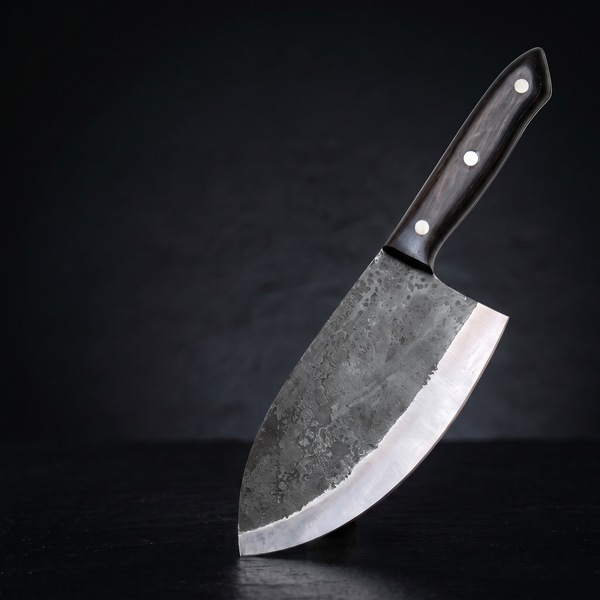
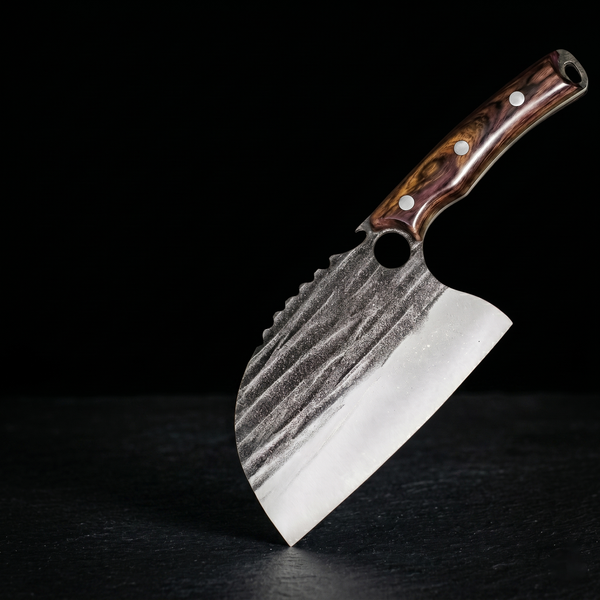
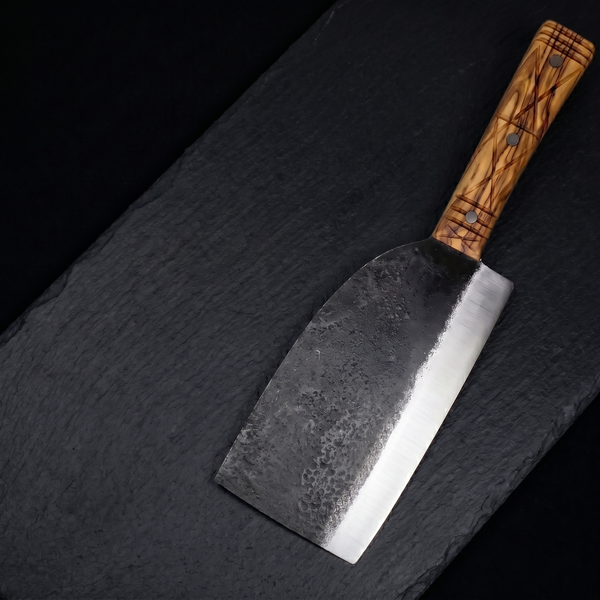
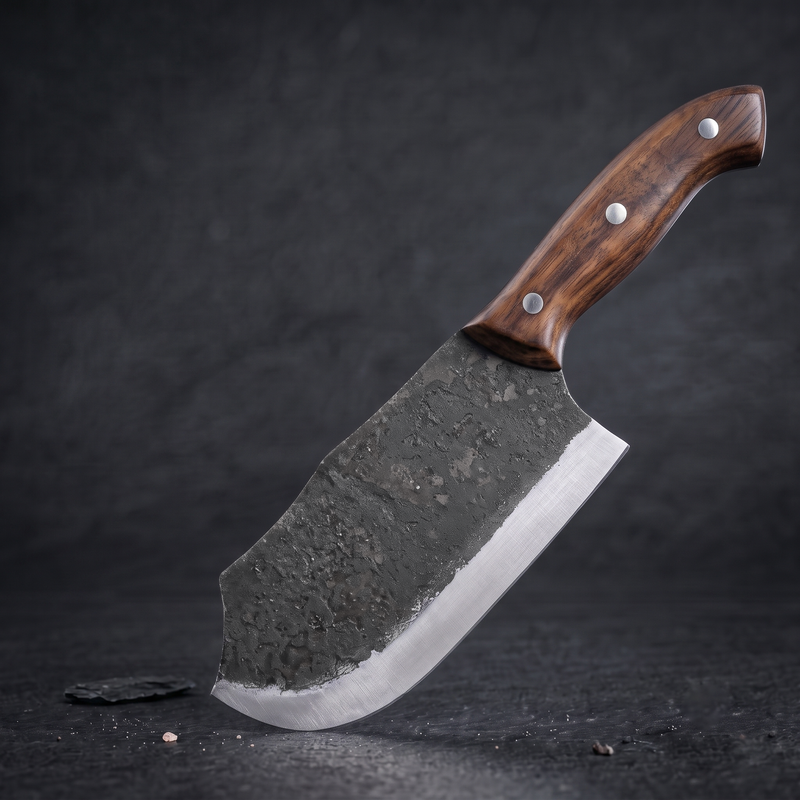
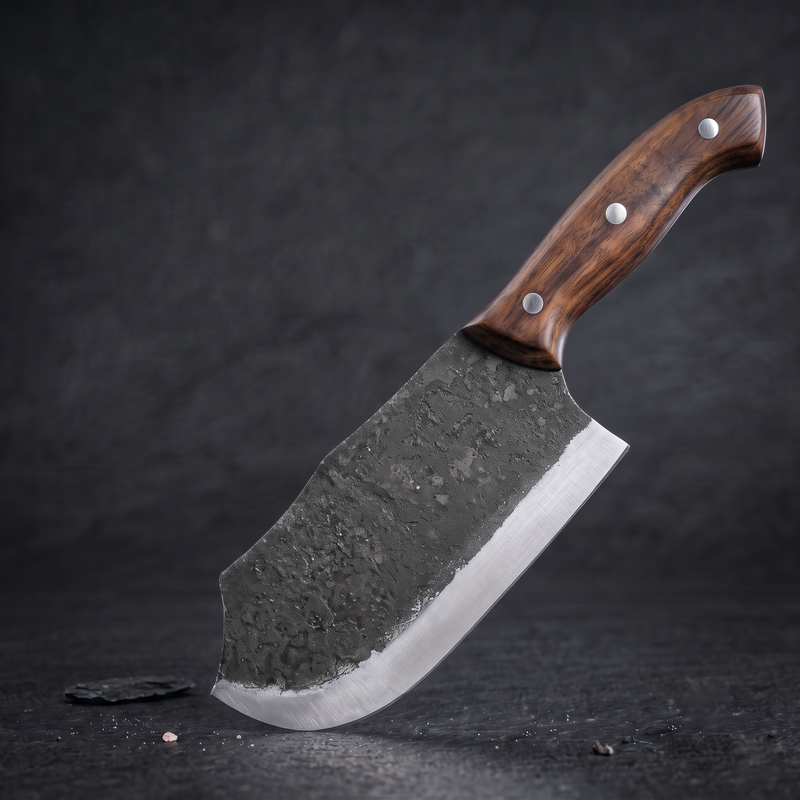
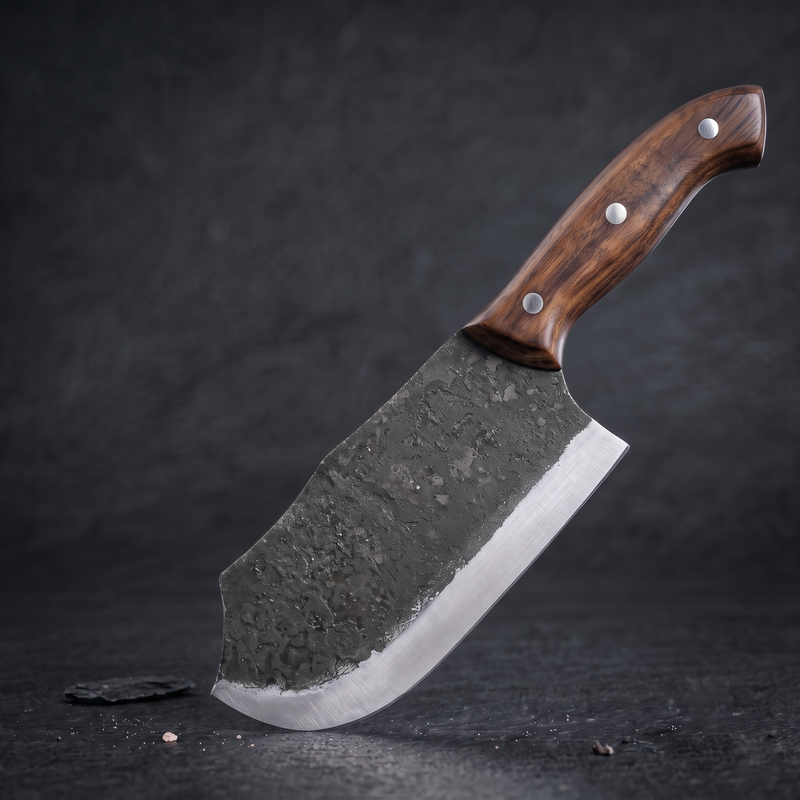
It means the blade is plain high carbon steel, forged by hand in the Serbian style and left with forge scale or hammer texture on the flats. That steel takes a keen edge and is easy to bring back on a stone, so a few minutes of sharpening gets you a knife that falls through an onion instead of crushing it. The trade is honest and you should know it before you buy: high carbon steel will rust if you leave it wet, and it changes color as you use it. People who like their knives to look the same in ten years as on day one tend to be happier with stainless. People who care more about how the edge cuts usually stay with carbon once they have tried it. The hand forged side of the story is covered in hand forged vs stamped knives.
Will a high carbon steel knife rust, and what is patina?
Yes, it will rust if you give it the chance. Water left on the blade overnight, a soak in the sink or a trip through the dishwasher will do it. Patina is a different thing. As you cut onions, citrus, raw meat and fish, the steel darkens to grey, blue or brown in patches and streaks. It is smooth to the touch, it does not come off on a cloth, and it actually slows rust down. Rust is orange or reddish brown, sits on top of the steel, feels rough and leaves a mark when you wipe it. If you find a few orange spots, they come off with a little effort, and how to remove rust from a carbon steel knife shows the method.
The care routine
Hand wash the knife after use, dry it straight away with a towel, and wipe on a light coat of food safe oil before it goes back in the block or drawer. No dishwasher and no soaking. Wipe the blade between ingredients if you are cutting acidic food for a long stretch. That is the whole job, and it takes less time than finding the right lid for a container. The full routine is in our high carbon steel knife care guide.
High carbon steel vs stainless steel: which is better?
Neither wins everywhere. Stainless steel kitchen knives in general are built to shrug off water and neglect, and plenty of them are perfectly good knives. High carbon steel asks for a dry towel in return for an edge that gets very sharp and comes back quickly on a whetstone. If you sharpen your own knives, or plan to learn, carbon makes that easy and rewarding. If your knives live in a shared kitchen where nobody dries anything, be honest with yourself about that. Every knife we sell is high carbon steel, so we are not neutral, but the side by side comparison in carbon steel vs stainless steel knives is fair to both.
Which high carbon steel knife is right for which job?
High carbon steel chef knives
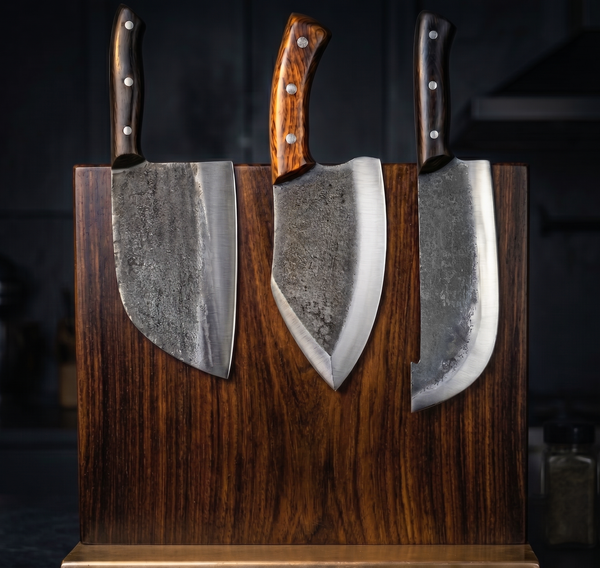
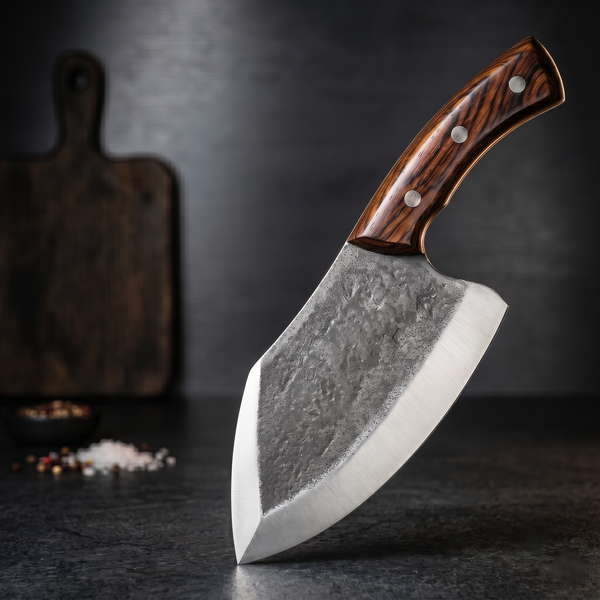
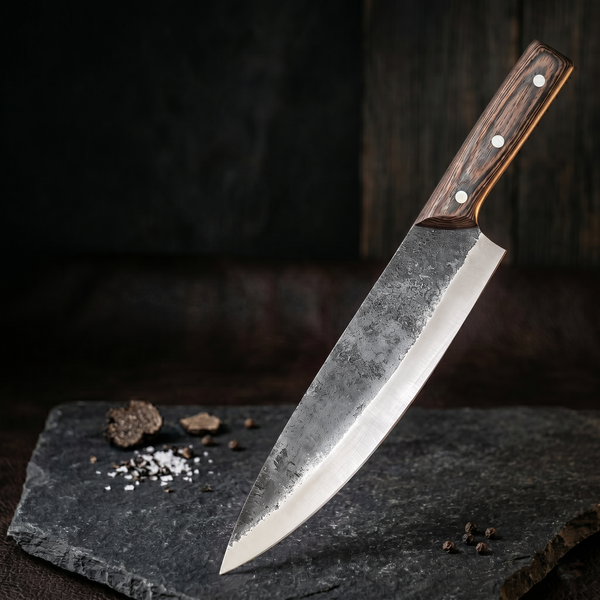
For slicing, dicing and rocking through herbs, start with a carbon steel chef knife. The Orca 7" is the everyday option at 260 grams. The Ironclad 8.7" gives you more length and a hand hammered spine, and the Chef's Kiss 7" is a tall Serbian chef knife with real weight behind it. The Kermode 7" sits between a chef knife and a cleaver, with a curved edge that rocks. More in our chef knives.
High carbon steel cleavers
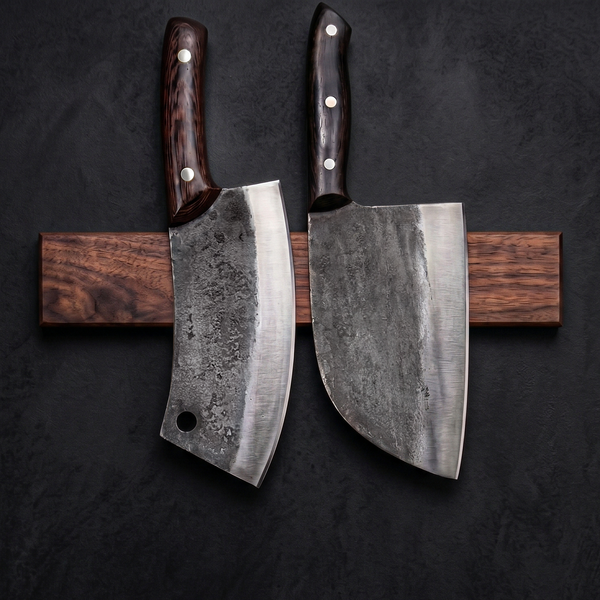
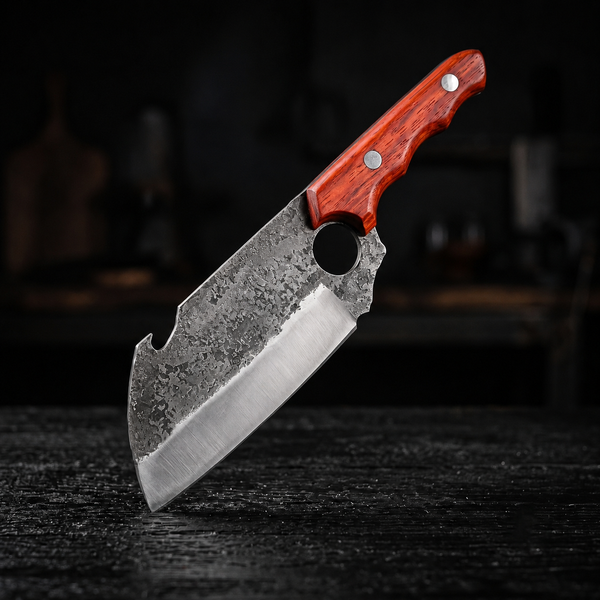
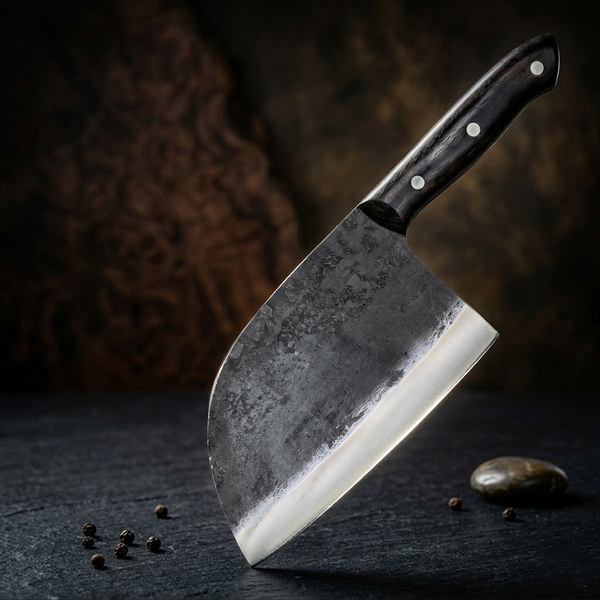
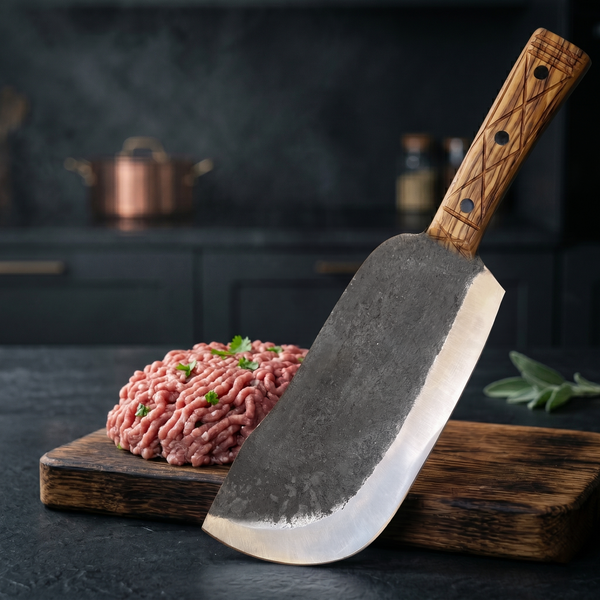
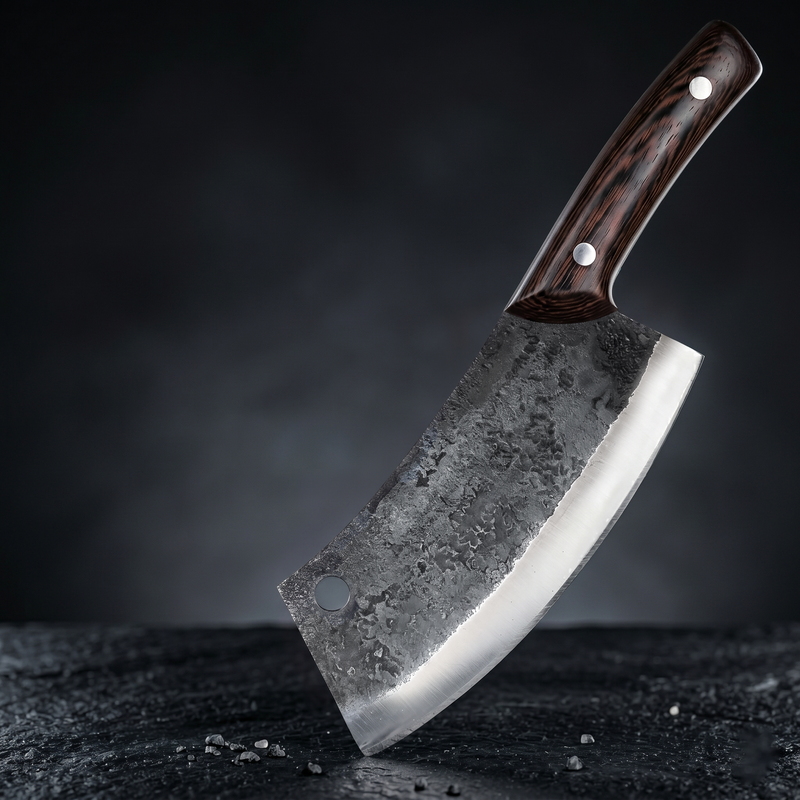
A high carbon steel cleaver goes through ribs, joints and chicken backs on its own weight. The Warthog 6" is compact, the Kraken 8" is a good middle weight, and the Rhino 8" is the heavy one at 1250 grams, made to order. The Mammoth 9.1" is for bone work. The full lineup is in our cleavers.
Butcher, boning, slicing and fillet knives
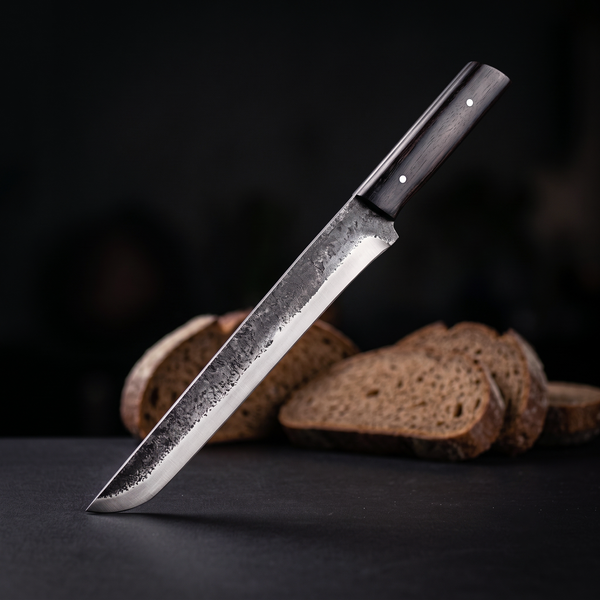
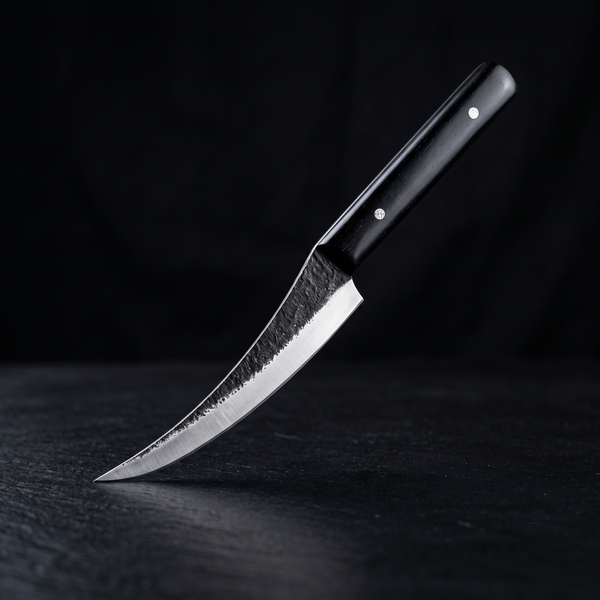
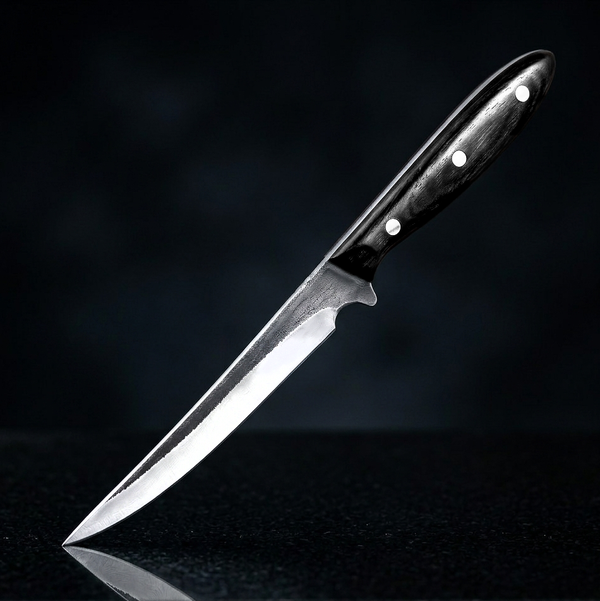
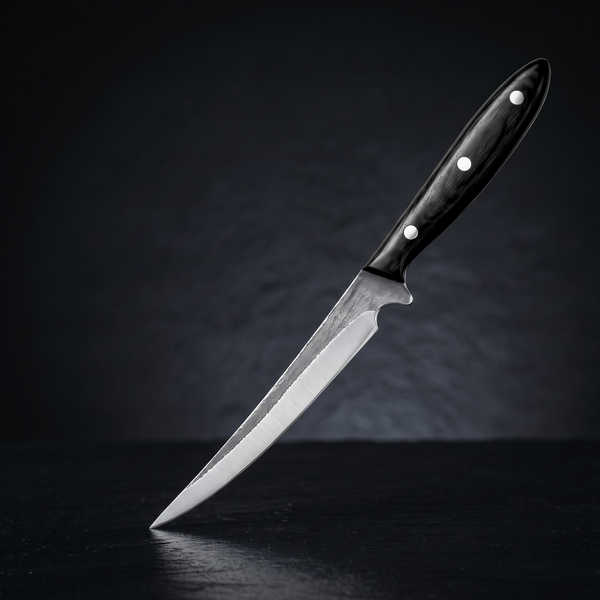
The Hellfang 5" trims meat, the Mako 7.5" works around bone, and the Mamba 11" slices brisket in long strokes. For a high carbon steel fillet knife, the Barracuda 13" carries an 8" blade only 1.8 mm thick, which is what you want along a fish backbone.
High carbon steel knife sets
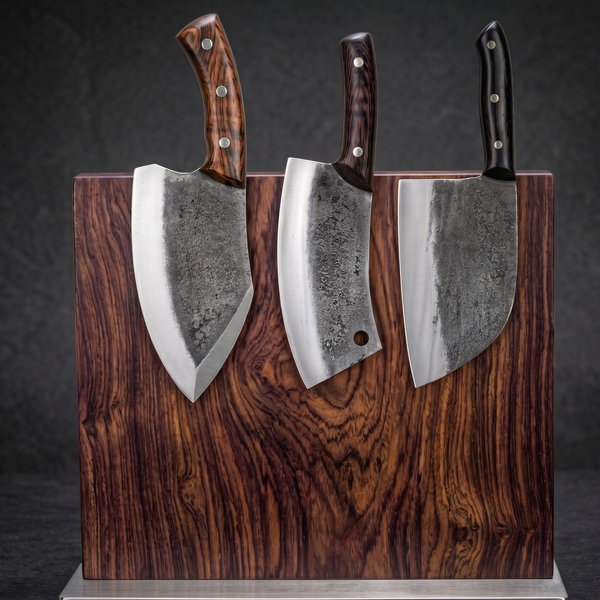
The Butcher's Trio gives you three cleavers, and the Mastercraft 4 piece set adds a 9" chef knife to two cleavers and a fish and steak cutter. See all of them in our knife sets.
How the high carbon steel knives compare
| Knife | Type | Blade | Weight |
|---|---|---|---|
| Orca | Chef knife | 7" | 260 g |
| Ironclad | Chef knife | 8.7" | 330 g |
| Chef's Kiss | Serbian chef knife | 7" | 404 g |
| Kermode | Chef cleaver | 7" | 349 g |
| Hellfang | Butcher knife | 5" | 240 g |
| Mako | Boning knife | 7.5" | 200 g |
| Barracuda 10" | Fillet knife | 6" | 220 g |
| Mamba | Brisket slicer | 11" | 264 g |
| Warthog | Meat cleaver | 6" | 308 g |
| Kraken | Cleaver | 8" | 380 g |
| Kodiak | Butcher cleaver | 8" | 581 g |
| Grizzly | Heavy duty meat cleaver | 8.7" | 1073 g |
| Rhino | Serbian cleaver | 8" | 1250 g |
Read before you buy
If you are buying your first high carbon steel knife, buy the one you will use every day, which for most people is a chef knife, and types of kitchen knives helps you work out the rest. Keep the edge going with how to sharpen kitchen knives with a whetstone, and if a cleaver is on the list, cleaver vs chef knife settles which comes first. Pitmasters should look at our BBQ knives, trimming goes faster with our boning and fillet knives, and a carbon steel knife in a box makes one of the better gifts for people who cook. Shipping is free to the USA and Australia, and every knife carries a lifetime warranty against defects in materials and craftsmanship.
Questions
Is high carbon steel good for kitchen knives?
Yes, if you are willing to dry it. High carbon steel takes a very keen edge and is easy to sharpen on a whetstone, which is why many cooks prefer it. The catch is care: wash it by hand, dry it at once and oil it lightly, or it will rust.
Does high carbon steel rust?
It can. Water left on the blade, soaking in the sink or the dishwasher will rust it. Dry the knife straight after washing and wipe on a thin coat of food safe oil. The grey or blue patina that builds up with use is normal and helps slow rust.
How do you care for a high carbon steel knife?
Hand wash it, dry it with a towel right away and wipe on a light coat of food safe oil before you put it away. Never use the dishwasher and never leave it soaking. Patina will form over time and is fine. Small rust spots can be cleaned off.
Is high carbon steel better than stainless steel?
It depends on what you value. Stainless steel in general resists water and neglect better. High carbon steel gets very sharp and comes back quickly on a stone, but it needs drying and oil. If you sharpen your own knives and look after them, carbon is a pleasure to use.
Which high carbon steel knife should I buy first?
A chef knife, because it does most of the daily cutting. The Orca 7" is the everyday choice and the Ironclad 8.7" gives more reach. If you cook a lot of meat on the bone, add a cleaver such as the Kraken 8" once the chef knife has earned its place.
Guides for High Carbon Steel Kitchen Knives, Hand Forged
Carbon Steel vs Stainless Steel Kitchen Knives: The Honest Trade
Carbon steel or stainless? We compare the two for kitchen knives in plain terms: how sharp each gets, how easy each is to sharpen,...
High Carbon Steel Knife Care: Rust, Patina, Oiling and Sharpening
High carbon steel rewards a simple routine. Here is how to wash, dry and oil a carbon steel knife, remove light rust, force a...
How to Remove Rust From a Carbon Steel Knife Without Ruining It
Rust on a hand forged high carbon steel knife is a chore, not a funeral. This guide shows how to tell rust from patina...
How to Sharpen Kitchen Knives With a Whetstone, Step by Step
A plain guide to sharpening kitchen knives on a whetstone. Which combination stone to buy, how to prepare it, how to find the angle...